List of Top Stroke Treatment doctors near by
 Kuljeet AnandKailash Hospital, Noida.jpg.jpg)
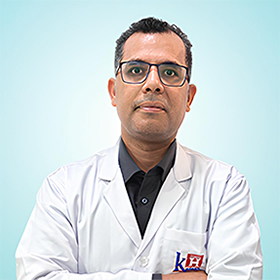
Dr.(Prof.) Kuljeet Anand
Kailash Hospital, Noida
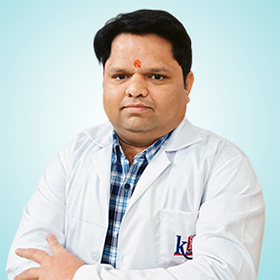
Dr. Sorabh Gupta
Kailash Hospital, Dehradun, Uttarakhand
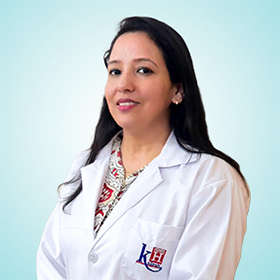
Dr. Seema Jamwal
Kailash Hospital, Dehradun, Uttarakhand

Dr. Yogendra Kumar Verma
Kailash Hospital & Neuro Institute
Stroke Treatment
Stroke is an acute condition that happens when there is an obstruction in blood flow in a section of the brain which consequently leads to loss of oxygen and nutrients to the brain. The effects happen immediately after a stroke occurs. Stroke is among the top causes of morbidity and mortality globally. Our department at Kailash Hospital offers services ranging from initial diagnosis and clot dissolution to rehabilitation for patients who have suffered strokes.
What is a Stroke?
Stroke occurs either when the supply of blood to part of the brain gets blocked (ischemic stroke) or when there is bleeding within the brain due to ruptured blood vessels (hemorrhagic stroke). There is one other kind of stroke called a TIA or “mini-stroke,” in which the symptoms last for just a short time but indicate a major stroke soon to follow.
Types of Stroke We Treat
Ischemic Stroke
Most prevalent stroke type characterized by a blockage of the blood flow by a clot inside the artery supplying the brain. It can be treated with medication that dissolves the clot, such as thrombolysis, or even a procedure to remove the clot, known as thrombectomy, if administered during the critical period.
Hemorrhagic Stroke
Develops due to a burst blood vessel in the brain that results in bleeding into the brain tissue. High blood pressure, brain aneurysm, or abnormalities of blood vessels in the brain are the typical reasons for its development.
Transient Ischemic Attack (TIA)
Temporary loss of blood flow resulting in stroke symptoms for several minutes to a few hours. Although this type of stroke doesn’t require medical treatment because its effects last briefly, it increases the risk of experiencing a stroke in the future.
Recognizing Stroke Symptoms — Act FAST
Quick detection helps in saving brain cells and life.
Look out for:
- "F" — Face dropping: One side of the face drops or becomes numb
- "A" — Arm weakness: One arm falls down or becomes weak when raised
- "S" — Speech problems: Slurred speech or difficulty comprehending others
- "T" — Time to contact emergency medical services
Any of these symptoms require immediate medical assistance
Additional symptoms include sudden onset of severe headache, sudden vision disturbances, sudden dizziness or loss of coordination, and sudden onset of confusion.
The left hemisphere of the brain controls the right side of the body and is responsible for speech, language, and reasoning. This is why a left-sided stroke leads to right-sided paralysis as well as speech and language impairments, while a right-sided stroke involves left-sided weakness of the body.
Causes and Risk Factors
Examples of risk factors that can cause stroke include:
- High blood pressure
- Diabetes mellitus
- Lipid profile disorder
- Smoking and smoking-related disorders
- Arrhythmias such as atrial fibrillation
- Obesity and lack of exercise
- Family history of stroke
- Increasing age (high stroke risk with age, irrespective of age)
- TIA/stroke history
Diagnosis
We use the below-mentioned diagnostic methods for identifying the stroke of the patient and determining future treatment options, such as:
- Computed Tomography Scan/CT Angiography
- Magnetic Resonance Imaging/MR Angiography
- Carotid Ultrasound (Doppler)
- Echocardiogram (for stroke caused due to heart condition)
- Blood Test (coagulation test, glucose and lipid profiles)
- Electrocardiogram/EKG (for any signs of arrhythmias, such as atrial fibrillation)
Treatment Options at Kailash Hospital
Emergency Thrombolysis (Clot-Dissolving Therapy)
For eligible patients suffering from ischemic stroke within the therapeutic time limit, clot-dissolving drugs through an IV drip help in blood circulation.
Mechanical Thrombectomy
A surgical technique that entails the use of a specialist who inserts a device into the blood vessels to eliminate a clot in a major artery within the brain.
Surgical Intervention for Hemorrhagic Stroke
If there is a case of bleeding stroke, surgery can be necessary to decompress the brain, repair a torn blood vessel, or place clips/ coiling to an aneurysm.
Medical Management
Drugs for controlling blood pressure and blood thinners or antiplatelets to reduce future formation of clots.
Stroke Rehabilitation
A multidisciplinary rehabilitation program including physiotherapy, occupational therapy, and speech therapy to help patients regain movement, independence, and communication skills.
Risks and Complications
As with any medical emergency procedure, there are inherent risks associated with stroke treatment, which include:
- The possibility of bleeding from taking the blood thinner drug
- The risk of having another stroke or developing a clot again
- Damage to vessels while performing the thrombectomy procedure
- Cerebral edema (swelling of the brain)
- Seizures resulting from the stroke
- Different degrees of disability, according to the part and extent of damage in the brain tissue
- Aspiration pneumonia and more during the recovery process
Your attending neurologist will advise you regarding the particular risks involved in your case.
Life After Stroke — Recovery and Rehabilitation
Hospital Recovery
The initial recovery period is closely monitored in the hospital, with the care team assessing neurological function, preventing complications, and starting early rehabilitation where possible.
Rehabilitation Therapy
Physiotherapy assists in regaining strength and movement, while occupational therapy provides help with daily activities. Speech therapy treats problems with speech or swallowing.
Lifestyle and Secondary Prevention
It is necessary to control one’s blood pressure, sugar level, cholesterol levels, quit smoking, have a healthy diet for the heart, and visit one’s neurologist regularly in order to avoid future strokes.
Emotional Wellbeing
Anxiety, depression, or frustrations are common feelings among patients having had a stroke and their families. Counseling plays a very important role in the rehabilitation process.
Review & Updated On
Reviewed by Dr. (Prof.) Kuljeet Anand — MD, DM (Neurology), Senior Consultant Neurologist, Kailash Hospital, Noida.
FAQ'S
Call emergency services immediately. Note the time symptoms started, as this affects treatment options. Do not give the person food, water, or medication, and keep them safe and comfortable until help arrives.
Treatment is time-sensitive — "time is brain." The sooner treatment begins after symptom onset, the better the chances of minimizing brain damage and improving recovery.
Many strokes are preventable by managing risk factors such as high blood pressure, diabetes, high cholesterol, and atrial fibrillation, along with lifestyle changes like quitting smoking and regular exercise.
A TIA causes temporary stroke-like symptoms that resolve on their own, usually within minutes to hours, without permanent damage. However, a TIA is a warning sign and requires the same urgent evaluation as a stroke to prevent a major one.
While risk increases with age, strokes can occur at any age, including in young adults, particularly those with risk factors like hypertension, diabetes, smoking, or clotting disorders.
Many patients regain significant function, especially with prompt treatment and consistent rehabilitation, though the extent of recovery depends on the stroke's severity and how quickly treatment was received.
Recovery timelines vary widely depending on stroke severity and the areas of the brain affected. Some patients recover within weeks, while others continue to improve through rehabilitation over months or longer.
Related Blogs