
List of Top Bariatric Surgery doctors near by
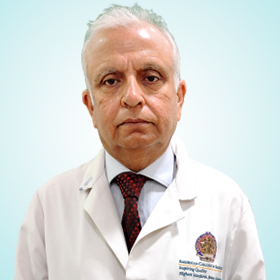


Dr. Nikunj Bansal
Kailash Hospital, Greater Noida
.jpg.jpg)
Dr. Vishal Sharma
Kailash Hospital, Jewar (U.P.)



Dr. Praveen Kumar
Kailash Hospital, Dehradun, Uttarakhand

Dr. Saurabh Kumar
Kailash Hospital, Dehradun, Uttarakhand

Dr. Anvita P. Antrolikar
Kailash Hospital & Neuro Institute

Dr. Ranvir Singh
Kailash Hospital & Neuro Institute
Bariatric Surgery
Body obesity is not only a matter of one's appearance but also a medical problem which may affect greatly one's state of health. Overweight leads to an increased risk of such diseases as diabetes, hypertension, heart diseases, sleep apnoea, joints problems, etc. In case the patient does not receive the desired outcome after changing his/her lifestyle, following some diet or using medication, there is a chance that bariatric surgery will prove efficient.
Kailash Hospital offers you a unique opportunity to undergo bariatric surgery under the care of highly professional specialists. Advanced technologies and the assistance of gastro surgeons and Bariatric Surgeon Doctors will ensure the best result.
What Is Bariatric Surgery?
Bariatric surgery refers to several types of surgery that help individuals lose additional weight through alterations made to their digestive tract. Known as Weight Loss Surgery or Gastric Surgery for Weight Loss, the surgeries work through either reducing the size of the stomach, reducing the calorie intake from food, or using both ways.
The surgery doesn’t look at short-term benefits but rather concentrates on offering long-lasting health gains. Apart from weight loss, bariatric surgeries help treat other health problems related to obesity such as type 2 diabetes, high blood pressure, fatty liver disease, and obstructive sleep apnoea.
Individuals seeking bariatric surgery near me normally visit specialist centres such as Kailash Hospital where the entire process of obesity management takes place in one location.
Who is a Candidate for Bariatric Surgery?
Not all obese patients need bariatric surgery. The following are some of the factors that are used to determine the right candidates for the surgery:
- The Body Mass Index (BMI) of more than 40.
- The Body Mass Index (BMI) of more than 35 with co-morbid conditions like diabetes or high blood pressure.
- Failure of patients to lose weight using diet, exercise, and drugs.
- Patients experiencing problems in their daily routine due to obesity.
- Patients suffering from sleep apnoea due to obesity.
- Patients with joint pains and difficulties in mobility due to obesity.
- A commitment by the patients to adopt healthy eating habits.
Benefits of Weight Loss Surgery
There are many more benefits of bariatric surgery apart from losing weight. The following are some of them:
Substantial and Permanent Loss of Weight
The patients will lose a considerable amount of weight in their first year after the surgery to attain a healthy body mass composition.
Better Control of Diabetes
The blood sugar levels of patients will be much improved; they will need less medication.
Healthy Heart
Weight loss will help reduce blood pressure and cholesterol levels.
Mobility Improvement
The weight loss will make the movements easy by relieving the burden from the knees, hips, and spine.
Sleep Quality Improvement
If patients have sleep problems such as sleep apnoea, they will be significantly improved after the surgery.
More Energy and Improved Self-Confidence
Patients usually feel more energy and confidence after the surgery.
Fertility and Hormonal Imbalance Improvements
Patients' fertility and hormonal problems will be affected positively by the weight loss management.
Types of Bariatric Surgery
Different procedures are available depending on the patient's health status and weight-loss goals.
Sleeve Gastrectomy
This surgery is one of the most commonly performed surgical procedures. In the surgery, around 75-80% of the stomach is removed, making the stomach become a tube-shaped stomach. The effect of this makes you eat less and decreases the production of hormones that stimulate hunger.
Gastric Bypass Surgery
Gastric bypass is a procedure where a smaller pouch is made from the stomach, and a section of the small intestine is redirected. It limits calorie absorption and restricts food consumption.
Mini Gastric Bypass
This procedure offers effective weight loss with fewer surgical connections and shorter operating time.
Revision Bariatric Procedures
Patients who have had earlier weight-loss operations and did not achieve satisfactory outcomes can opt for revision surgery.
The team of experienced gastro doctors and Bariatric Surgeon Doctors at Kailash Hospital will identify the best treatment according to your health needs.
Bariatric Surgery Procedure
The surgery process involves several carefully planned stages to ensure safety and optimal outcomes.
Preoperative Preparation
Patients receive counselling regarding dietary habits, exercise, lifestyle changes, and expectations. Medical optimization is performed before surgery.
Administration of Anaesthesia
The procedure is carried out under general anaesthesia for patient comfort.
Laparoscopic Surgery
Most bariatric surgeries are done using minimally invasive laparoscopic methods. This means only small incisions are made, which leads to less pain and a faster recovery time.
Surgical Modification
Depending on the selected procedure, the stomach size is reduced or the digestive tract is rearranged.
Postoperative Monitoring
Patients are observed closely after surgery to ensure smooth recovery.
Most procedures take approximately one to three hours, depending on complexity and individual factors.
Diagnosis Before Bariatric Surgery
Comprehensive evaluation is essential before proceeding with Weight Loss Surgery. At Kailash Hospital, patients undergo detailed assessments, including:
Medical Examination
The specialist evaluates obesity-related illnesses and previous treatment history.
Blood Investigations
Routine laboratory tests help assess overall health and nutritional status.
Cardiac Assessment
Heart evaluation ensures fitness for surgery.
Pulmonary Function Testing
Respiratory health is reviewed, particularly in patients with sleep apnoea.
Endoscopy
Upper gastrointestinal endoscopy may be performed to examine the stomach and oesophagus.
Nutritional Assessment
Dietitians evaluate eating patterns and nutritional deficiencies.
Psychological Evaluation
Mental readiness and long-term commitment are important components of successful outcomes.
These investigations help create a personalized treatment strategy for every patient.
Recovery and Aftercare Following Bariatric Surgery
Recovery does not end with surgery. Lifelong commitment to healthy habits is essential for success.
Hospital Stay
Typically, patients spend about two to four days in the hospital following their surgery.
Gradual Diet Progression
Recovery begins with liquids, followed by soft foods and eventually regular healthy meals under professional supervision.
Physical Activity
Light walking is encouraged immediately after surgery, while more intense exercises are introduced gradually.
Vitamin and Mineral Supplements
Patients may require lifelong supplementation to prevent deficiencies.
Regular Follow-Up Visits
Periodic consultations allow specialists to monitor weight loss progress and nutritional status.
Lifestyle Modification
Long-term success depends on maintaining healthy eating habits and regular exercise routines.
Kailash Hospital provides comprehensive postoperative support through nutritionists, counsellors, and specialists to maximize outcomes.
Possible Health Improvements After Surgery
Medical conditions which usually improve due to weight loss attained via bariatric surgery include:
- Type 2 diabetes.
- Hypertension.
- High cholesterol.
- Fatty liver disease.
- Polycystic ovarian syndrome.
- Sleep apnoea.
- Acid reflux.
- Joint pain and mobility issues.
The patients usually enjoy a significant improvement in their quality of life.
Why Choose Kailash Hospital for Bariatric Surgery?
People who want to undergo bariatric surgery require specialized doctors and top-notch infrastructure. Kailash Hospital provides:
Experienced Bariatric Surgeon Doctors
The multi-specialty team comprises extremely experienced doctors committed to treating obesity.
Laparoscopic Infrastructure
Our state-of-the-art facilities assist in precision and speedy recovery.
Complete Diagnosis
Diagnosis to rehabilitation, everything is meticulously planned.
Personalized Nutritional Plan
This assists in attaining the desired results.
Multi-specialty Care
Nutritionists, psychologists, physiotherapists, and specialists work in sync to maximize patients’ benefits.
Patient-Centric Approach
Our sole concentration at Kailash is on health benefits and comfort of our patients.
Conclusion
Many lives have been changed due to the success of bariatric surgery for obese people and the diseases they suffer from. Being a medically sound procedure, Gastric Surgery for Weight Loss brings about better health, movement and quality of life for people who have suffered from being overweight. At Kailash Hospital, professional Bariatric Surgeon Doctors and talented gastro surgeons offer top Weight Loss Surgery procedures that are tailored to every patient’s needs. When looking for a bariatric surgery near me, Kailash Hospital can help you have a healthier life in the future.
Reviewed By
Dr. R.M. Khattar, MBBS,MS,FACS (General Surgery), Sr. Consultant General Surgeon on 17 July 2025
FAQ'S
Weight loss varies depending on the procedure, starting weight, and lifestyle habits. Your bariatric surgeon can provide a personalized estimate based on your condition.
Many patients experience reduced hunger after surgery due to a smaller stomach capacity and changes in appetite-related hormones.
Yes. Significant weight loss may help improve conditions associated with obesity, including type 2 diabetes, high blood pressure, sleep apnea, and joint problems.
Some weight regain is possible over time. Following recommended dietary habits, staying physically active, and attending regular follow-ups can support long-term weight management.
The appropriate procedure depends on your BMI, overall health, weight-loss goals, and existing medical conditions. A bariatric surgeon at Kailash Hospital can evaluate these factors and recommend a suitable option.
Depending on the type of surgery and nature of work, many patients can return within two to four weeks. Individual recovery timelines may vary.
Related Blogs