


6-Year-Old Shows Remarkable Improvement with Advanced Epilepsy Care at Kailash Hospital
Epilepsy in children can be challenging, especially when it is linked to genetic causes. Early diagnosis, specialized care, and continuous monitoring play a crucial role in improving outcomes and quality of life.
At Kailash Hospital, a 6-year-old child diagnosed with genetic epilepsy received advanced and personalized treatment under the expert guidance of Dr. Anshul Dhillon, Consultant Pediatric Neurologist. With timely intervention and dedicated care, the child showed remarkable improvement in overall health and daily functioning.
Presentation of Symptoms
The child presented with symptoms commonly associated with epilepsy, which may include:
- Recurrent seizures
- Sudden episodes of unresponsiveness
- Abnormal movements or muscle stiffness
- Occasional behavioral or developmental concerns
These symptoms raised concern for an underlying neurological condition, prompting further evaluation.
Diagnosis
Following a detailed neurological assessment and specialized investigations, the child was diagnosed with genetic epilepsy. This form of epilepsy is associated with underlying genetic factors and often requires targeted, long-term management strategies.
Condition Overview
Genetic epilepsy refers to seizure disorders caused by genetic abnormalities affecting brain function. These conditions may present early in childhood and can vary in severity.
Without proper management, epilepsy can impact a child’s cognitive development, learning ability, and overall quality of life. However, with modern pediatric neurology care—including advanced diagnostics and tailored therapies—many children can achieve good seizure control and lead active lives.
Treatment Plan
Under the supervision of Dr. Anshul Dhillon, a comprehensive and individualized treatment plan was implemented, focusing on both seizure control and developmental support:
1. Medical Management
- Prescription of appropriate anti-epileptic medications
- Regular monitoring and dosage adjustments based on response
2. Advanced Neurological Care
- Detailed evaluation to understand seizure patterns
- Ongoing assessment of neurological and developmental progress
3. Supportive and Family-Centered Care
- Counseling and education for parents regarding seizure management
- Guidance on lifestyle modifications and safety precautions
4. Long-Term Monitoring
- Regular follow-ups to track improvement and prevent complications
- Continuous adjustment of treatment based on growth and development
Outcome and Follow-Up
With consistent treatment and close monitoring, the child showed significant improvement in seizure control and daily functioning. Episodes reduced considerably, and overall health and activity levels improved.
The child was able to engage more actively in routine activities, reflecting better neurological stability. Ongoing follow-ups continue to ensure sustained progress and optimal development.
The family expressed heartfelt gratitude to Dr. Anshul Dhillon and the medical team for their expert care, reassurance, and continuous support throughout the treatment journey.
Conclusion
This case highlights the importance of early diagnosis and specialized pediatric neurological care in managing genetic epilepsy. With the right treatment approach and continuous support, children can achieve meaningful improvement and lead healthier, more active lives.
At Kailash Hospital, expert-led pediatric neurology services ensure that even complex neurological conditions are managed with precision, compassion, and a long-term focus on the child’s well-being.
Verified by :
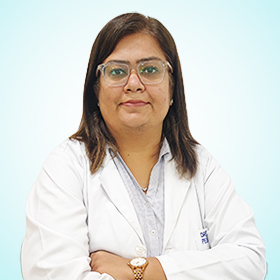
Dr. Anshul Dhillon
Dr. Anshul Dhillon is a Consultant Paediatric Neurologist at Kailash Hospital, Noida, with specialized expertise in child neurology. He holds MBBS, DNB, and FIPN (UK) qualifications and is experienced in managing a wide range of neurological conditions in children, including developmental delay (with regression), autism spectrum disorders, language delay/regression, epilepsy (complex and genetic epilepsy), neonatal seizures, neuromuscular disorders, metabolic conditions, and headaches. He also treats CNS infections and autoimmune disorders affecting the brain and spinal cord. Dr. Dhillon has strong expertise in neurophysiological investigations, especially EEG for neonates, children, and adolescents, ensuring accurate diagnosis and personalized treatment.