Colorectal Cancer: Symptoms, Causes, Screening, and Treatment Explained
Verified By
Dr. Aditya Sharma
,
MBBS, MS (Gen. Surgery) MCh (Gastrointestinal Surgery), GI & Bariatric Surgeon, Kailash Hospital
| Published: 14-Mar-2026
Dr. Aditya Sharma, Sr. Consultant HPB & G.I. Oncology at Kailash Hospital, Noida, studies a patient's scan with a focused expression. " Colorectal cancer stands out as one of the most preventable yet frequently diagnosed cancers in India. It develops slowly, often over years, starting as benign polyps that transform into malignant tumors. This gradual progression gives us a powerful window of opportunity—if we know what to look for and when to act. Understanding colorectal cancer symptoms, the underlying colorectal cancer causes, and the life-saving potential of colorectal cancer screening can literally mean the difference between a routine procedure and a life-altering diagnosis."
Colorectal cancer (CRC) is the third most commonly diagnosed cancer worldwide, and India is witnessing a concerning rise in cases. According to recent data, India ranks fifth globally for CRC mortality, with an age-standardized rate of 2.9 per 100,000 cases, and our five-year survival rate remains below 40%—among the lowest in the world. Perhaps most alarmingly, incidence is increasing in younger populations, making awareness more critical than ever. This comprehensive guide, with expert insights from Dr. Aditya Sharma, provides a thorough understanding of this disease and the path to prevention and cure.
Table of Content
What Is Colorectal Cancer?
Colorectal cancer refers to malignant tumors that develop in the colon or rectum—the final parts of the digestive system. Most colorectal cancers are adenocarcinomas, which begin in the glandular cells lining the inner wall of the large intestine. The disease typically follows a well-recognized progression: normal mucosal cells transform into benign growths called polyps, which over several years can acquire genetic changes and develop into cancer.
"The slow progression of colorectal cancer is both a warning and an opportunity," explains Dr. Sharma. "A polyp takes years—sometimes a decade—to become cancerous. That's a decade of opportunity to detect, remove, and prevent. This is why screening is not just a medical recommendation; it's a potential lifesaver. At Kailash Hospital, Noida, we emphasize this message constantly: colorectal cancer is one of the most preventable cancers when caught early."
Recognizing the Warning Signs: Colorectal Cancer Symptoms
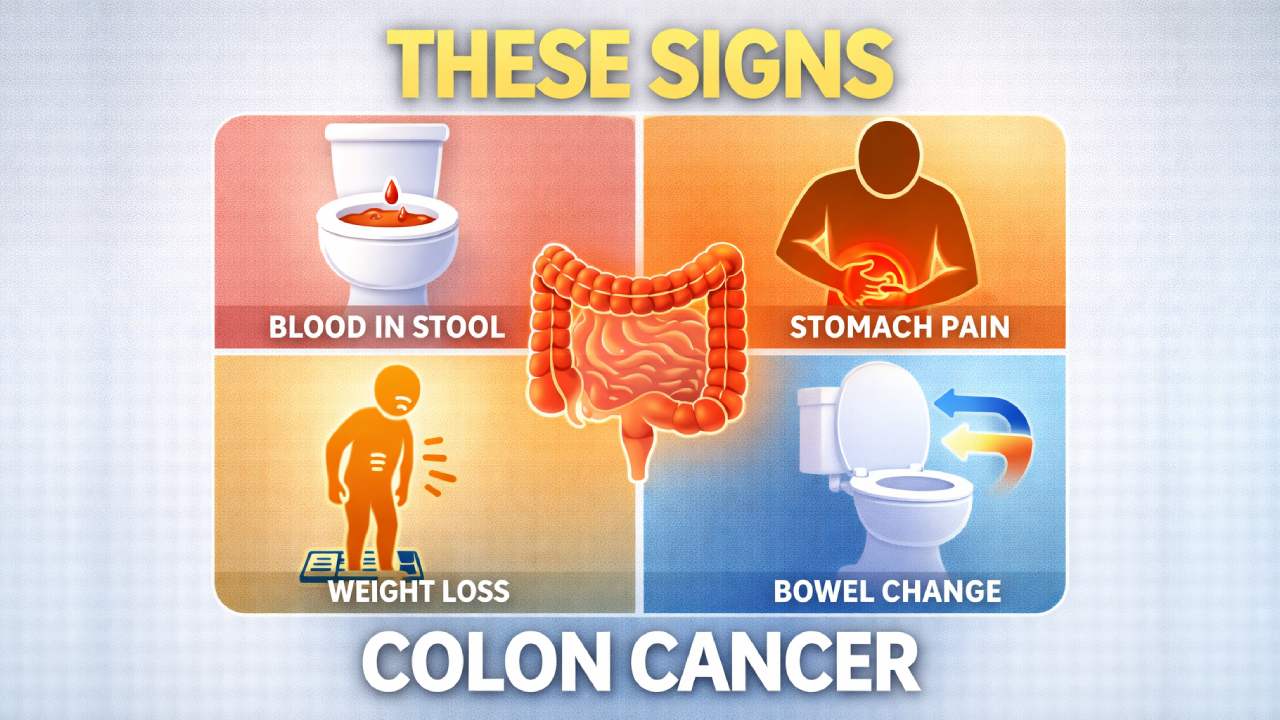
In its early stages, colorectal cancer often produces no symptoms at all. This silent progression is precisely why screening is so vital. However, as the tumor grows, the following colorectal cancer symptoms may appear:
Changes in Bowel Habits:
- Persistent diarrhea or constipation that doesn't resolve
- A change in stool consistency or caliber (pencil-thin stools)
- Feeling that the bowel doesn't empty completely after a movement
- Alternating episodes of constipation and diarrhea
Bleeding and Discharge:
- Blood in the stool (bright red or dark, tarry black)
- Rectal bleeding
- Mucus in the stool
Abdominal Discomfort:
- Persistent cramping or abdominal pain
- Excessive gas or bloating
- Sensation of fullness or discomfort, even after light meals
Systemic Symptoms:
- Unexplained fatigue and weakness (often from chronic blood loss causing anemia)
- Unintentional weight loss
"A key point to remember," notes Dr. Sharma, "is that many of these symptoms can also stem from harmless conditions like hemorrhoids or irritable bowel syndrome. However, if any symptom persists for more than a few weeks, especially bleeding or a persistent change in bowel habits, it deserves professional evaluation. Don't assume it's 'just piles'—let a specialist determine that."
Also read: Bowel Cancer in Your 20s & 30s? The Alarming Rise and What Young Indians Must Know
Understanding Colorectal Cancer Causes and Risk Factors
While the exact cause of colorectal cancer isn't always clear, researchers have identified several factors that increase risk. The disease develops when cells in the colon or rectum accumulate DNA damage, leading to uncontrolled growth.
Modifiable Risk Factors (Lifestyle-Related):
- Diet: A diet low in fiber and high in red and processed meats is strongly linked to increased risk
- Physical inactivity: Sedentary lifestyle significantly elevates risk
- Obesity: Excess body weight, particularly abdominal obesity
- Tobacco use: Smoking increases colorectal cancer risk
- Alcohol consumption: Regular, excessive alcohol intake
- Low intake of fruits and vegetables: Protective nutrients are missed
Non-Modifiable Risk Factors:
- Age: Risk increases sharply after 50, though early-onset cases are rising
- Family history: Having a first-degree relative with colorectal cancer doubles or triples risk
- Personal history: Previous colorectal cancer or polyps increases future risk
- Inflammatory bowel disease: Chronic conditions like ulcerative colitis or Crohn's disease
- Inherited genetic syndromes: Such as Lynch syndrome (hereditary nonpolyposis colorectal cancer) and familial adenomatous polyposis (FAP)
- Race: In some populations, certain groups face higher risk
- Type 2 diabetes: Both diabetes and insulin resistance are associated with increased risk
"The encouraging news is that many colorectal cancer causes are within our control," emphasizes Dr. Sharma. "Eating a fiber-rich diet, staying active, keeping a healthy weight, steering clear of tobacco, and cutting back on alcohol can really help lower your risk. At Kailash Hospital, Noida, we counsel patients on these lifestyle modifications as part of comprehensive cancer prevention."
The Power of Prevention: Colorectal Cancer Screening
Screening is the single most powerful tool in the fight against colorectal cancer. It can detect cancer at an early, highly treatable stage—or even help prevent it altogether by finding and removing precancerous polyps.
Current Screening Recommendations:
If you're at average risk, it's recommended to start screening at age 45. Those with higher risk factors like a family history of certain conditions, genetic syndromes, or inflammatory bowel disease, it might be a good idea to start screening earlier and get checked more often.
Available Screening Methods:
1. Colonoscopy:
- The gold standard for colorectal cancer screening
- Provides a clear view of the whole colon and rectum
- Allows removal of polyps and the biopsy of any suspicious areas all in one go
- If normal, typically repeated every 10 years
2. Stool-Based Tests:
- Fecal Immunochemical Test (FIT): Detects hidden blood in stool; non-invasive and convenient
- FIT-DNA Test: Combines FIT with DNA markers; may detect both blood and genetic mutations
3. CT Colonography (Virtual Colonoscopy):
- Imaging-based screening; less invasive but still requires bowel preparation
- If abnormalities are found, standard colonoscopy is needed for removal/biopsy
The Screening Gap in India:
Despite the proven benefits of screening, adoption remains alarmingly low in India. A recent study published in the South Asian Journal of Cancer revealed that among healthcare professionals eligible for screening colonoscopy (aged 45+), only 7.14% had actually undergone the procedure. Among their parents, the rates were even lower—just 4.9% for mothers and 7.1% for fathers.
"This is a wake-up call," states Dr. Sharma with concern. "If healthcare professionals themselves aren't getting screened, imagine the rates in the general population. Barriers include fear of the procedure, lack of awareness, and the absence of CRC screening in national cancer programs, which currently focus on breast, cervical, and oral cancers. At Kailash Hospital, Noida, we are working to change this through education and accessible screening services."
Also read: 5 Surprising Daily Habits Linked to Rising Colon Cancer Before 50
Diagnosis: Confirming and Staging Colorectal Cancer
If screening reveals abnormalities or symptoms prompt evaluation, a series of diagnostic tests confirm and stage the disease:
- Colonoscopy with Biopsy: The definitive diagnostic test. Any suspicious areas are biopsied, and tissue is sent for pathological examination.
- Blood Tests: While not diagnostic, blood tests can reveal anemia from chronic bleeding and measure tumor markers like carcinoembryonic antigen (CEA), which helps monitor treatment response and detect recurrence.
- Imaging Studies: CT scans of the chest, abdomen, and pelvis determine if cancer has spread (metastasized) to lymph nodes, liver, lungs, or other organs.
- Genetic Testing: Tumors are increasingly tested for genetic mutations (like those causing Lynch syndrome) to guide treatment and identify family members who may benefit from earlier screening.
Staging for cancer ranges from Stage 0, where it's just in the inner lining, all the way to Stage IV, where it has spread to other organs. Understanding the stage is crucial because it helps determine the prognosis and shapes the treatment options available.
Modern Colorectal Cancer Treatment: A Multidisciplinary Approach
Colorectal cancer treatment has evolved dramatically, offering more options and better outcomes than ever before. Treatment is highly individualized, based on cancer stage, location, genetic profile, and the patient's overall health.
Surgery:
Surgery is still the key treatment for localized colorectal cancer.
- Polypectomy/Local Excision: For very early-stage cancers confined to a polyp, removal during colonoscopy may be sufficient.
- Partial Colectomy: Removal of the cancerous section of colon along with nearby lymph nodes. The remaining healthy ends are reconnected.
- Laparoscopic/Minimally Invasive Surgery: Offers faster recovery and less pain compared to traditional open surgery.
- Colostomy: In some rectal cancers or advanced cases, a temporary or permanent colostomy may be necessary.
Chemotherapy:
Chemotherapy uses drugs to kill cancer cells. It may be administered:
- Adjuvant therapy: After surgery to remove any lingering microscopic cancer cells
- Neoadjuvant therapy: Before undergoing surgery to shrink tumors and make them easier to remove—something that's quite common in rectal cancer.
- For advanced disease: To control growth and relieve symptoms
Radiation Therapy:
Particularly important for rectal cancer, radiation may be given before or after surgery to reduce local recurrence risk. At Kailash Hospital, Noida, advanced radiation techniques precisely target tumors while sparing healthy tissue.
Targeted Therapy and Immunotherapy:
These newer treatments attack specific vulnerabilities in cancer cells:
- Targeted drugs: Block specific proteins that drive cancer growth
- Immunotherapy: It helps the immune system in our bodies to identify and combat cancer cells
- Particularly effective in certain genetic subtypes (like MSI-high tumors)
Treatment for Metastatic Disease:
When cancer has spread to the liver, lungs, or other organs, treatment may combine:
- Surgical removal of metastases (when possible)
- Chemotherapy (systemic or delivered directly to the liver via hepatic artery)
- Radiofrequency ablation or radiation to destroy liver tumors
- Palliative care that emphasizes managing symptoms and enhancing quality of life.
"The management of colorectal cancer has truly become a team sport," explains Dr. Sharma. "As a Gastrointestinal Oncologist in Noida, I work closely with surgical oncologists, radiation oncologists, pathologists, and radiologists. At Kailash Hospital, Noida, every case is reviewed by a multidisciplinary Tumor Board to ensure patients receive coordinated, comprehensive care. This collaborative approach significantly improves outcomes."
Also read: How to Prevent Cancer: 5 Life-Saving Habits (40% of Cases Are Preventable)
Life After Treatment: Recovery and Surveillance
After finishing treatment, it's really important to have regular check-ups to keep an eye out for any recurrence and to handle any long-term effects.
Post-Treatment Surveillance Includes:
- Colonoscopy within one year after surgery, then repeated every 3-5 years if no new polyps
- Regular physical exams and CEA blood tests
- Imaging studies as indicated by symptoms or risk factors
Rehabilitation May Include:
- Dietary counseling for specific post-surgical needs
- Ostomy care education for patients with colostomies
- Psycho-oncological support for emotional well-being
Conclusion: Knowledge and Action Save Lives
Colorectal cancer is a formidable disease, but the good news is that it's one of the most preventable and treatable types of cancer if detected early. The path from a benign polyp to invasive cancer takes years—years in which screening can interrupt the process and save a life.
As Dr. Aditya Sharma of Kailash Hospital, Noida concludes: "My message to everyone is simple: Don't wait for symptoms. If you're 45 or older, talk to your doctor about screening. If you have a family history or other risk factors, start even earlier. And if you notice any persistent change in your bowel habits, blood in your stool, or unexplained weight loss, seek evaluation immediately. At Kailash Hospital, Noida, we combine cutting-edge technology with compassionate, multidisciplinary care to guide patients from diagnosis through recovery. Colorectal cancer is a battle we can win—but only if we detect it early enough to fight."










 +91-9193939393
 international.marketing@kailashhealthcare.com