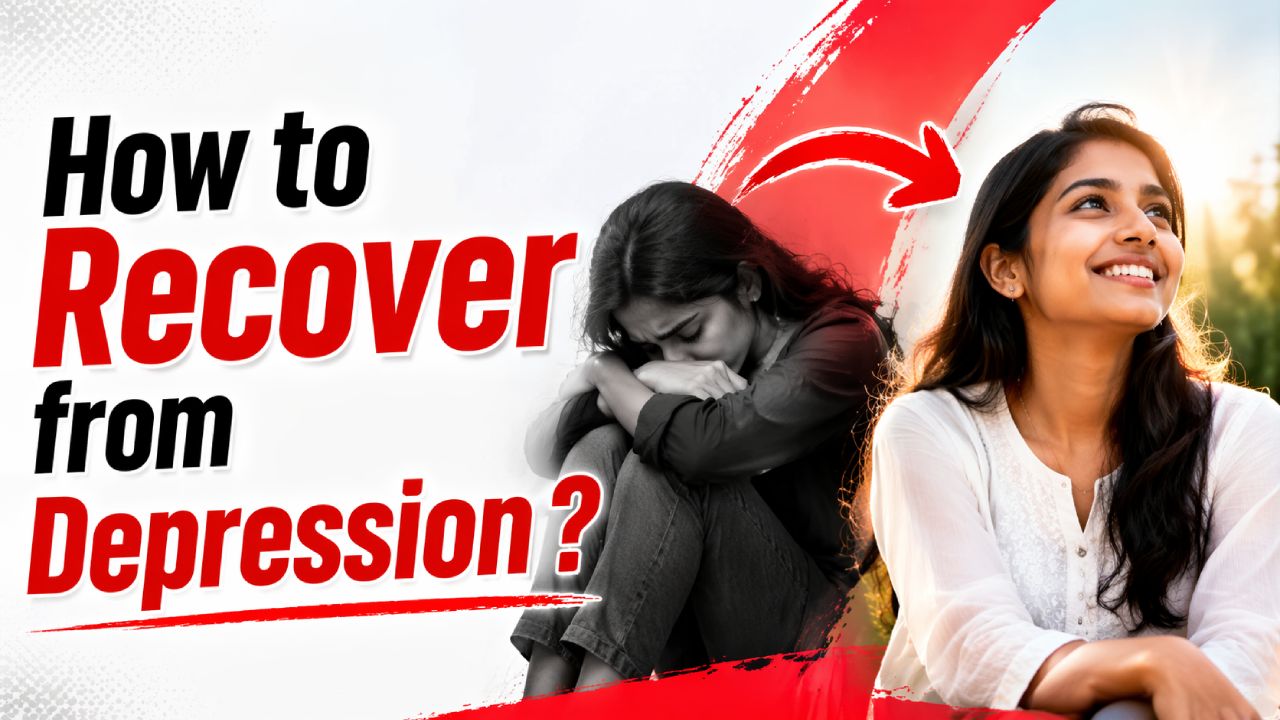
A Complete Guide on How to Recover from Depression and Reclaim Your Life
Verified By
Dr. Nishtha Laspal
,
MD, DNB (Psychiatry), Consultant Psychiatrist, Kailash Hospital
| Published: 08-Apr-2026
Depression is more than just a bad mood or a bad day. Rather, it is a serious mental disorder, which significantly affects thoughts, feelings, and one’s way of dealing with everyday affairs. Mental depression is very widespread in our fast-paced society; however, millions of individuals who suffer from it remain unaware of their problems.
"Depression is not a sign of weakness nor lack of strong personality traits. Depression is an illness – a complicated illness of the mind and body. While it might seem like there is no way out, through proper guidance and care, it is possible for a person to recover and start living a life, which is much more fulfilling & meaningful" says Dr. Nishtha Laspal, Consultant Psychiatrist, Kailash Hospital, Noida.
Depression is an ailment that many suffer from across the globe but it is still widely misdiagnosed. Through this extensive guide by Dr. Nishtha Laspal, you will be able to know how to recognize the symptoms of depression and also find out about different treatment methods for depression.
Table of Content
Unlike a temporary period of sadness, depression sticks around, turning everything into a burden. You cannot simply snap out of it, as you would with a bad day; it requires attention and proper management, just like other chronic medical conditions - diabetes and high blood pressure.
Important facts:
- Affects roughly 280 million individuals across the world.
- One of the leading causes of disability worldwide.
- Over 80-90% respond well to
- Affects anyone, irrespective of their age, gender, and socioeconomic status.
As Dr. Laspal tells each of her patients, "The darkness you are experiencing is not permanent. With the right help, you can and will feel like yourself again."
Also read: Winning the Workplace Battle: How to Handle Stress and Pressure at Work Without Losing Yourself
There are symptoms which can help to identify depression in self or loved ones. Symptoms are generally found within these categories.
Symptoms related to emotions:
- Persistently feeling sad, empty, or hopeless.
- Irritability due to small matters.
- A loss of interest in activities you once enjoyed (anhedonia).
- Feeling guilty, worthless, or confused.
- Thoughts about suicide or harming yourself.
Symptoms related to physical health:
- Alterations in appetite or weight.
- Difficulty sleeping or sleeping excessively.
- Lethargic, fatigue
- Unexplained medical problems - such as pains , aches or gastric issues
- Decreased libido
Symptoms related to Behaviour:
- Social withdrawal from loved ones.
- Frequent absenteeism at work,
- Decline in personal grooming & self care.
- Reduced performance - at work or household chores
- Substance
High functioning individuals sometimes can mask their symptoms appearing cheerful outside despite how low they feel on the inside. If this sounds familiar then, you aren’t alone.
Many people with depression suffer silently, hiding their pain behind a mask of normalcy. They may be high-functioning at work while crumbling inside. They may smile in public while battling despair in private. This is why understanding the signs of depression and reaching out is so critical.
The Path to Recovery: A Comprehensive Approach
Recovery from depression is rarely a single intervention. It is a combination of professional treatment, lifestyle changes, and social support. Here is a step-by-step roadmap.
Phase 1: Acknowledge and Seek Help
The hardest step for many is admitting that they need help. Depression makes you feel that you are worthless, that nothing will help, and you are a burden. These are lies the illness tells you.
Action Steps:
- Talk to someone: A trusted friend, family member, or spiritual advisor
- See a professional: A psychiatrist near you can provide an accurate diagnosis and treatment plan
- Be honest: Share what you are experiencing. You don't have to carry this alone.
One of the most courageous things a person can do is say, 'I need help' emphasizes Dr. Laspal. At Kailash Hospital, Noida, we provide a safe, confidential, non-judgmental space to begin that conversation.
Phase 2: Professional Treatment
When it comes to treating depression, a well-rounded approach usually combines therapy, medication, and lifestyle changes. The best results come from a plan that's customized to fit each person's unique needs.
1. Medicines (Pharmacological)
An evidence based scientific approach to the treatment of depression is required. Unlike common beliefs, it does not depend solely on the will of the person suffering from depression. The treatment involves the involvement of biological, psychological, and social factors.
Medication is highly essential in treating depression, especially in moderate and severe cases. It works by balancing brain chemicals responsible for emotions and mood regulation.
It is regarded as a primary treatment modality, and plays a crucial role for recovery. If medicines are not followed as advised, the disorder can remain or return in the future.
Key points:
- The medicines must be prescribed by a psychiatrist
- The results are noticeable after a couple of weeks
- The drugs may need to be modified, based on the patient’s response & any side effects experienced
- Suddenly stopping medicines can cause worsening
- Medicines needs to be monitored periodically.
2. Psychotherapy (Non pharmacological)
Psychotherapy is another important component of managing depression. The talk therapy will help you understand the psychological and behavioural causes of your depression and learn effective coping strategies for everyday stress.
- Cognitive Behaviour Therapy (CBT): Through this therapy approach, you can learn how to change your negative thought patterns and behaviours. CBT happens to be one of the most widely studied and most effective ways of dealing with depression.
- Interpersonal Therapy (IPT): Through interpersonal therapy, you will develop essential communication skills which are important to control IPT aims at improving your personal relations and interactions with others.
- Psychodynamic Therapy: This form of therapy seeks to understand the influence that past experiences and subconscious thoughts have on your current state.
- Group Therapy: Through this approach, you meet others facing similar situations and work together towards recovery.
3. Lifestyle Interventions
Your activities during days are also important.
- Exercise: Regular exercises help produce endorphins, reduce stress, and improve sleep. Even 20 minutes of exercise per day is a great start.
- Diet: Healthy eating nourishes the brain. Omega-3 rich foods, antioxidants from fruits and vegetables, limiting caffeine and non processed foods have a positive effect on our body & mind.
- Proper Sleep: Ensure that you sleep at least 6-8 hours a day. Establishing a sleeping habit and relaxing pre-sleep routine is beneficial for a good night's sleep.
- Daily dose of Sunlight: Exposure to sulight in the morning improves your mood. Go into nature every day, preferably in the morning
Phase 3: Supportive Environment
Isolation is frequently observed in depression. Maintaining healthy connections with others is vital.
Steps to Action:
- Talk to people about your struggles: Speak your mind to those close to you
- Join therapy groups: Engaging with people who know what it feels like to be in your place will help ease the feeling of isolation
- Take help from others: Ask for more support if needed, during this difficult time
Phase 4: Building Effective Coping Strategies
The process of recovery not only involves healing but also learning necessary coping mechanisms to prevent another relapse.
Steps to Action:
- Mindfulness: practice techniques to ensure that you stay grounded in the present and break away from overthinking
- Identify Factors: Identify the factors that contribute to feeling depressed and those that helps relieve it
- Goal setting: Set manageable goals for yourself
- Kind to Yourself: Just like you would show compassion to friends, be kind towards oneself
Also read: 8 Proven Strategies for Mastering Stress and Anger in Daily Life
Recovery from depression never happens in a smooth and linear fashion. It involves both good days and bad days. Progress towards recovery, rather than perfection, is always the objective.
The Recovery Timeline:
- Weeks 1-4: Small improvements may be seen, such as improved sleep quality and higher energy levels
- Weeks 4-8: With effective treatment, most people will see a considerable improvement in their symptoms
- Months 3-6: With sustained improvement, one begins get back to their previous functioning.
- After 6 months: The maintenance stage. One continues using coping mechanisms, monitoring their emotional well-being, and avoiding a relapse.
"As important as patience is," warns Dr. Laspal, "you did not develop depression overnight, nor will you recover overnight. Every victory counts, even a small one. Each step towards recovery, however insignificant, is progress."
Depression seems like a dark tunnel without any light. However, the light is present. With appropriate support, therapy, and compassion towards oneself, it is possible to emerge from the dark inti the light.
According to Dr. Nishtha Laspal of Kailash Hospital, Noida, "If you are reading this and struggling, please remember that you are not alone, you are not weak and none of this is your fault. Depression is a medical issue, and can be treated effectively. The path may be challenging, yet it is a journey that you need not face alone.
At Kailash Hospital, we are ready to guide you into the light." If you are suffering from above symptoms, book an appointment with our psychiatry experts at Kailash Hospital, Noida, right away.








 +91-9193939393
 international.marketing@kailashhealthcare.com