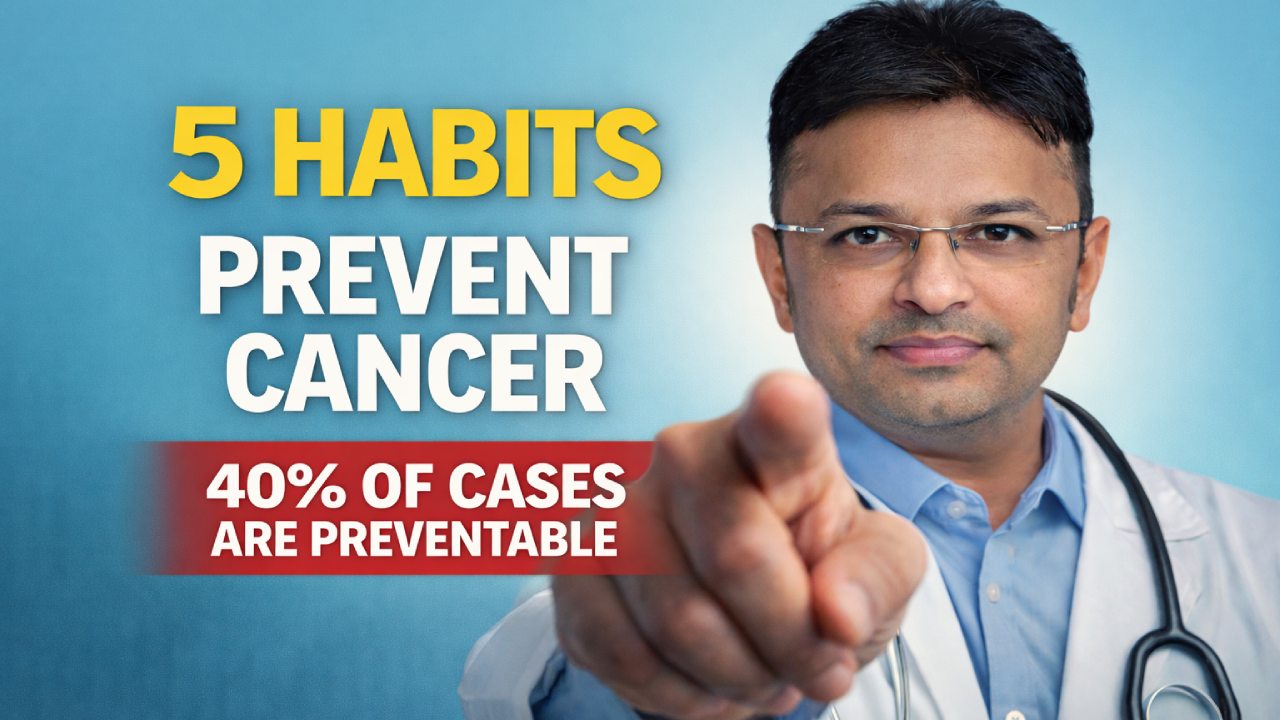
How to Prevent Cancer: 5 Life-Saving Habits (40% of Cases Are Preventable)
Verified By
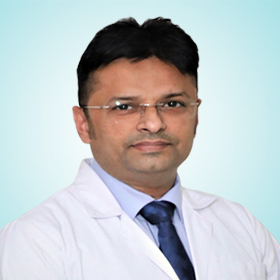
Dr. Sourabh Mukharjee
,
MS, MCh, Sr. Consultant Surgical Oncology, Kailash Hospital
| Published: 04-Mar-2026
Imagine holding a significant key to preventing one of the most daunting diseases of our time—cancer. It sounds like a dream, yet groundbreaking research confirms it is a reality. A recent study revealed a staggering truth: nearly 4 in 10 cancer cases globally could be prevented through modifiable lifestyle choices. This is not just a global statistic; it is a powerful message for each of us, especially in a rapidly urbanizing nation like India, where cancer burden is rising steadily.
This article is not about alarming facts alone. It is about empowering you with practical knowledge and actionable steps to build a robust defence against preventable cancers, extending not just your lifespan, but your healthspan.
Table of Content
When we hear the word 'cancer,' it often evokes fear and helplessness. However, the finding that nearly 40% of cancer cases are preventable offers a profound shift in perspective. It means we have far more control than we think.
"While genetics do play a role, a substantial number of cancers are directly influenced by our environment and lifestyle choices," explains Dr. Sourabh Mukharjee, Senior Consultant Surgical Oncology at Kailash Hospital Noida. "Tobacco use, excessive alcohol consumption, obesity, poor diet, and physical inactivity are major modifiable risk factors. Understanding this empowers us to take proactive steps rather than merely reacting to a diagnosis."
These preventable cancers span multiple types, including lung, colorectal, breast, oral, and liver cancers—many of which are highly prevalent in India. For instance, smoking and air pollution significantly increase lung cancer risk, while obesity and sedentary lifestyles are strongly linked to several gastrointestinal and reproductive cancers. The message from an experienced Oncologist in Noida like Dr. Mukharjee is clear: prevention is not an abstract concept; it is a tangible, life-saving strategy.
Also read: Early Detection, Early Action: Recognizing the Signs of Breast Cancer
Our bodies are intricate systems, and every choice we make—from the food we eat to how much we move—sends signals that influence cellular health, gene expression, and overall resilience.
Healthy lifestyle choices help maintain balanced metabolism, reduce chronic inflammation, and support healthy cellular function. Chronic inflammation, often driven by poor diet, excess weight, and lack of exercise, is a known precursor to many cancers. Additionally, avoiding tobacco and limiting alcohol directly reduces exposure to carcinogens.
Advanced tools like AI and brain MRIs now help predict disease susceptibility, yet they consistently reinforce a foundational truth: a healthy lifestyle remains our strongest defence. Dr. Sourabh Mukharjee emphasizes, "While cutting-edge technology aids early detection and risk prediction, it is our daily habits that truly shape our cancer risk. Prevention is not passive—it is an active, daily commitment."
Taking control of your health does not require drastic overhauls. It is about making consistent, informed choices. Here is your practical playbook, curated with insights from Dr. Sourabh Mukharjee:
1. Nourish Your Body: Food as Medicine
"Your plate is your first line of defence," advises Dr. Mukharjee. A balanced diet rich in whole foods can significantly reduce cancer risk.
- Embrace Plant-Based Goodness: Fill your plate with fruits, vegetables, whole grains, and legumes. These are packed with fibre, vitamins, minerals, and antioxidants that protect cells from damage. Indian staples like lentils (dal), chickpeas (chana), leafy greens, and seasonal vegetables are excellent choices.
- Limit Processed Foods and Sugary Drinks: These are often high in unhealthy fats, refined sugar, and sodium, contributing to obesity and insulin resistance—both linked to increased cancer risk.
- Choose Healthy Fats: Opt for nuts, seeds, and cooking oils like mustard or olive oil, while avoiding trans fats and excessive saturated fats found in fried and processed snacks.
- Reduce Red and Processed Meat: Research shows that a diet heavy in red and processed meats is associated with a higher likelihood of colorectal cancer. Consider plant-based proteins or lean meats in moderation.
2. Move More, Live Better: Embrace Physical Activity
Physical inactivity is a major, independent risk factor for several cancers.
- Aim for Consistency: Make it a goal to engage in at least 150 minutes of moderate-intensity aerobic activity or 75 minutes of vigorous exercise weekly. Brisk walking, jogging, cycling, swimming, or dancing are all effective.
- Integrate Movement into Your Day: Take the stairs, walk during lunch breaks, or engage in active household chores. Every step counts.
- Maintain a Healthy Weight: Excess body fat is linked to at least 13 types of cancer, including breast, colorectal, and pancreatic cancers. Regular physical activity is key to weight management.
3. Say No to Toxins: Tobacco and Alcohol
These are the two most significant preventable risk factors for cancer worldwide.
- Quit Tobacco in All Forms: This includes cigarettes, bidis, gutkha, and vaping. Tobacco is a leading cause of lung, oral, throat, bladder, and several other cancers. "Quitting tobacco is arguably the single most impactful step you can take for your health," affirms Dr. Sourabh Mukharjee. It is never too late to stop.
- Limit or Avoid Alcohol: Alcohol consumption is directly linked to an increased risk of mouth, throat, liver, breast, and colorectal cancers. The safest choice is to abstain or keep consumption to a minimum.
4. Protect Your Skin: Sun Safety
Skin cancer, though less discussed in India, is a growing concern. Limit exposure to peak sunlight, wear protective clothing, and use sunscreen to reduce risk.
5. Know Your History: Screening and Early Detection
Prevention also means catching cancer early, when it is most treatable.
- Regular Screenings: Follow recommended guidelines for age-appropriate cancer screenings, such as mammograms for breast cancer, Pap tests for cervical cancer, and colonoscopies for colorectal cancer.
- Be Aware of Your Body: Report persistent changes—unexplained weight loss, lumps, unusual bleeding, or changes in bowel or bladder habits—to your doctor promptly.
- Know Family History: If there's a family history of specific cancers, it might be a good idea to start screenings earlier or have them done more often. Discuss this with your physician.
"Early detection saves lives," emphasizes Dr. Mukharjee. "When cancer is found early, treatment is often simpler, more effective, and outcomes are significantly better."
Also read: Bowel Cancer in Your 20s & 30s? The Alarming Rise and What Young Indians Must Know
While lifestyle changes are within your control, professional medical guidance is essential, especially if you have concerning symptoms, a family history of cancer, or simply wish to understand your personal risk profile.
At Kailash Hospital, our dedicated oncology team, led by Dr. Sourabh Mukharjee, Senior Consultant Surgical Oncology, offers comprehensive care—from prevention counselling and cancer screening to advanced treatment and survivorship support. Whether you seek guidance on reducing risk, understanding genetic predisposition, or navigating a new diagnosis, expert help is available.
The evidence is unequivocal: nearly 4 in 10 cancer cases are preventable. This is not a call for perfection, but an invitation to embrace conscious choices that protect your future. From your plate to your daily steps, from quitting tobacco to showing up for regular screenings—every decision matters.
By adopting a proactive mindset and making informed, consistent lifestyle choices, supported by regular medical guidance, you unlock your power to not just extend your lifespan, but to live a fuller, healthier, and more vibrant life. Your health truly is in your hands. Seize the opportunity to shape a healthier future for yourself and your loved ones.







 +91-9193939393
 international.marketing@kailashhealthcare.com