How to Prevent Parkinson’s Disease with Diet and Lifestyle
Verified By
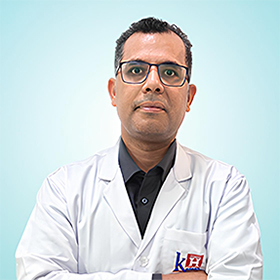
Dr. Nitin Kumar Rai
,
MD, DM, Consultant Neurologist, Kailash Hospital
| Published: 22-Apr-2026
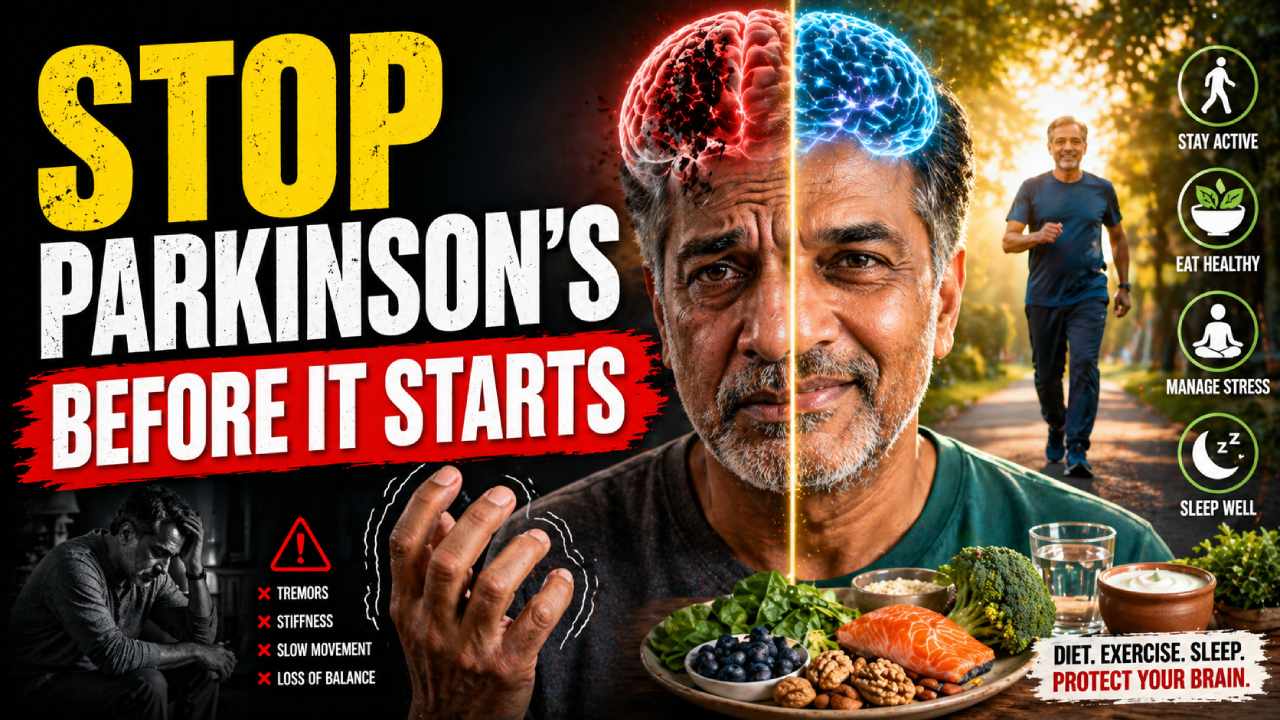
Parkinson’s disease is a progressive neurological disorder that affects movement, coordination, and overall quality of life. It is the world's fastest-growing neurological disorder, with global prevalence projected to more than double to over 25 million cases by 2050. While this sounds alarming, it also presents a clear opportunity: many of the factors driving this increase are modifiable.
Dr. Nitin Kumar Rai, Consultant Neurologist at Kailash Hospital, Noida, leans forward with a look of determined optimism. "For decades, we viewed Parkinson's as an inevitable consequence of aging or genetics. But a growing body of evidence has fundamentally shifted that perspective. We now understand that while we can't change our genes, we have significant control over how they express themselves. The choices you make today—what you eat, how you move, how you sleep—directly influence your brain's resilience and can dramatically lower your risk of developing Parkinson's disease. This is the power of lifestyle medicine."
Table of Content
For a long time, the conversation around Parkinson's centered on genetic mutations and bad luck. Today, the focus has shifted to the powerful interplay between our genes and our environment. Research shows that environmental toxins, dietary patterns, physical activity levels, and even our gut health play a crucial role in either triggering or suppressing the neurodegenerative processes that lead to PD.
"The single most important message I can give my patients," explains Dr. Rai, "is that prevention is not a passive hope; it is an active practice. At Kailash Hospital, Noida, a premier best neuro hospital in Noida, we are seeing a paradigm shift from simply treating disease to actively preventing it. By adopting a brain-healthy lifestyle, you are building a biological reserve that can withstand age-related changes and avoid Parkinson related damage."
Your diet directly fuels your brain's health. The goal is to reduce systemic inflammation, combat oxidative stress, and support the gut-brain axis.
What to Eat Liberally:
- Leafy Green Vegetables: Palak (spinach), methi (fenugreek), sarson ka saag, bathua, cabbage, etc. are packed with folate and antioxidants.
- Berries: Blueberries and strawberries are rich in flavonoids, which have potent neuroprotective effects.
- Nuts and Seeds: Akhrot (walnuts), badaam (almonds), pista (pistachios), alsi ke beej (flaxseeds), kaddu ke beej (pumpkin seeds), surajmukhi ke beej (sunflower seeds) provide healthy fats and vitamin E.
- Fatty Fish: Rohu, katla, surmai (kingfish), hilsa (ilish) are excellent sources of omega-3 fatty acids, which fight inflammation.
- Olive Oil: A primary source of healthy monounsaturated fat.
- Increase Fiber Intake: Aim for 25-35 grams of fiber daily from Daliya, oats, ragi, jowar, bajra, whole dal, chana, rajma, etc. to prevent constipation.
- Stay Hydrated: Drink plenty of water, nimbu pani, chaas, and coconut water
- Incorporate Probiotics: Daily dahi, chaas, or fermented foods like idli and dosa help balance gut bacteria and lower inflammation.
"The brain does not operate in isolation," says Dr. Rai. "A healthy gut creates a healthy brain environment. Fortunately, our traditional Indian diet—with its emphasis on fiber-rich dals, vegetables, whole grains, and probiotic dahi—is naturally brain-protective. Optimizing your desi thali is the most direct route to prevent Parkinson's disease with diet and lifestyle interventions."
What to Limit:
- Red and Processed Meats: Limit mutton, beef, bacon, sausages as these are high intake, which leads to increased inflammation.
- Saturated Fats and Fried Foods: Samosa, kachori, pakora, bhujia, chips, etc. These can promote neuroinflammation.
- Ultra-Processed Foods and Added Sugars: Barfi, jalebi, laddoo, sugary drinks, packaged juices, Instant noodles, packaged snacks, ready-to-eat meals, etc. These disrupt metabolic health and the gut microbiome.
Also read: 8 Early Signs That May Point to Parkinson's Disease
Physical activity is arguably the most potent neuroprotective tool we have. It promotes the release of Brain-Derived Neurotrophic Factor (BDNF), a protein that acts like "fertilizer" for brain cells, helping them survive, function, and grow.
How to Incorporate It:
- Daily Walking: Aim for 30-45 minutes of brisk walking daily. Morning or evening walks in your local park are ideal.
- Yoga: Regular asana practice improves balance, flexibility, and reduces stress. Pranayama (breathing exercises) calms the nervous system.
- Household Activities: Gardening (bagwani), sweeping, mopping, and climbing stairs all count as movement.
- Traditional Exercises: Surya namaskar, dand baithak, or even dancing to music.
Studies show that moderate to vigorous activity reduces Parkinson's risk by up to 16%.
Sleep is not a passive state; it is when your brain's "glymphatic system" kicks into high gear to clear out metabolic waste, including the toxic alpha-synuclein protein that forms the hallmark clumps in Parkinson's brains.
- Prioritize 7-9 Hours: Chronic short sleep (less than 7 hours) is linked to an earlier onset of neurodegenerative changes.
- Recognize Red Flags: A condition called REM Sleep Behavior Disorder (RBD), where people physically act out their dreams, is a strong predictor of future Parkinson's. If you or a loved one exhibits this, seek a sleep study.
Also read: Recognizing the Early Signs of Alzheimer's in Your 50s Before It's Too Late
Tame the Stress Response
Chronic stress can lead to higher cortisol levels, and over time, this can harm the brain. Incorporating mindfulness, meditation, or yoga can help regulate the stress response and reduce neuroinflammation.
Reduce Environmental Exposures
Exposure to certain pesticides (like paraquat) and industrial solvents (like trichloroethylene) is strongly linked to a higher risk of Parkinson's.
- Wash Produce Thoroughly: Rinse all vegetables and fruits well before cooking.
- Filter Your Water: Use activated carbon filters to remove potential contaminants.
- Choose Organic When Possible: This helps reduce your cumulative exposure to agricultural chemicals.
Embarking on the path to a healthier brain is more like a marathon than a quick dash. You don't need to overhaul your life overnight. As Dr. Nitin Kumar Rai concludes: "The science is clear: lifestyle is medicine. By choosing whole foods, staying active, prioritizing sleep, and being mindful of our environment, we are not just adding years to our life, but life to our years. At Kailash Hospital, Noida, we are committed to empowering you with the knowledge and support to build a resilient brain. Start with one small, positive change today. Your future self will thank you."
Take the first step toward lifelong brain health. Schedule a consultation with our neurology team at Kailash Hospital, Noida, to create a personalized prevention plan that works for you.







 +91-9193939393
 international.marketing@kailashhealthcare.com