5 Surprising Daily Habits Linked to Rising Colon Cancer Before 50
Verified By
Dr. Manish Sahni
,
MBBS, DNB(General Surgery), MCh (Surgical Oncology), Consultant Surgical Oncologist, Kailash Hospital
| Published: 11-Mar-2026
Dr. Manish Sahni, Consultant Surgical Oncologist at Kailash Hospital, Noida, has observed a troubling shift in his consultation room. "There's a growing misconception that colon cancer is an 'old person's disease.' It's not anymore. We are seeing a steady and alarming rise in cases among men and women under 50. While genetics play a role, the biggest driver of this trend appears to be our modern lifestyle. Understanding these hidden risk factors is the first and most crucial step in protecting yourself.
Table of Content
The list is indeed challenging. It targets elements deeply embedded in modern, convenient living. Let's break down each one.
1. Ultra-Processed Foods
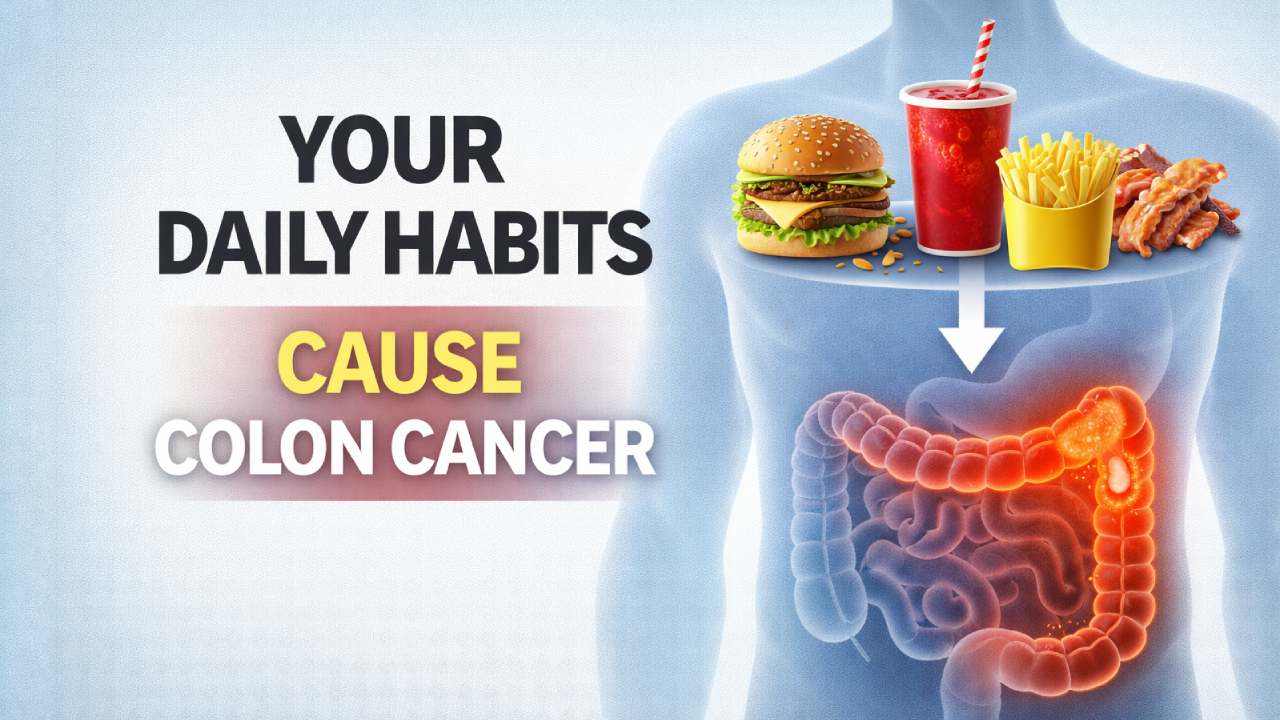
These are industrially manufactured foods loaded with additives, preservatives, artificial colors, and unhealthy fats and sugars. Think packaged chips, instant noodles, frozen meals, and many ready-to-eat snacks.
- Why it's a risk: These foods are typically low in fiber and high in inflammatory ingredients. They alter the gut microbiome (the community of good bacteria in your colon), promoting inflammation and creating an environment where cancer cells can thrive.
- Dr. Sahni’s Insight: "A diet heavy in processed food starves your gut of the natural fiber it needs to function properly. It's like running a high-performance engine on low-quality fuel—eventually, it breaks down."
2. Sugary Drinks
This includes sodas, sweetened juices, energy drinks, and even excessive sugary coffees.
- Why it's a risk: High sugar intake leads to sharp spikes in blood glucose and insulin. Chronic high insulin levels (hyperinsulinemia) can promote cell growth in the colon and create a pro-inflammatory state, accelerating the development of cancerous changes. A 2021 study linked drinking two or more sugary drinks a day to a doubling of the risk of early-onset colon cancer in women.
- Actionable Advice: Switch to water, unsweetened herbal teas, or fresh lime water. Your colon will thank you.
3. Red and Processed Meats
Red meat (like beef, lamb, and pork) and processed meats (like sausages, bacon, ham, and salami) are well-established risk factors.
- Why it's a risk: Cooking red meat at high temperatures can form carcinogenic compounds called heterocyclic amines (HCAs) and polycyclic aromatic hydrocarbons (PAHs). Processed meats contain preservatives like nitrates and nitrites, which can be converted into cancer-causing chemicals in the body.
- Dr. Sahni’s Insight: "You don't have to become a vegetarian, but moderation is key. Think of red meat as an occasional treat, not a daily staple. When you do eat it, avoid charring or burning it."
4. Sitting and Watching TV
This point often confuses people—is it the sitting or the TV? The core issue is prolonged, uninterrupted sedentary behavior.
- Why it's a risk: Extended periods of sitting are linked to obesity, metabolic syndrome, and chronic inflammation, all of which are risk factors for cancer. But the distinction between sitting at work and watching TV is crucial. Leisure-time sitting (like watching TV) is often associated with other unhealthy habits, such as mindless snacking on junk food, drinking sugary beverages, and getting poor sleep. It's the package deal that makes this habit particularly damaging.
- The Key Takeaway: "It's not about demonizing relaxation," explains Dr. Manish Sahni. "It's about breaking up sedentary time. If you watch a show, get up and walk around during the commercials. The risk is not the act of sitting itself, but the cumulative effect of a completely sedentary lifestyle combined with other poor habits."
5. Alcohol
Any amount of alcohol consumption is now recognized as a risk factor for several cancers, including colon cancer.
- Why it's a risk: When the body breaks down alcohol, it produces acetaldehyde, a chemical that can damage DNA and prevent cells from repairing the damage. This creates an opportunity for cancer to develop. The risk is dose-dependent, meaning the more you drink, the higher your risk.
Also read: How to Prevent Cancer: 5 Life-Saving Habits (40% of Cases Are Preventable)
The list is confronting because it implicates habits that are central to modern socializing and unwinding. However, knowledge is power. These are modifiable risk factors, meaning you have control over them.
The First Step: Screening
For those under 50, the challenge is that routine screening often doesn't start until age 45 or 50. This makes awareness of your body even more critical.
- Know the Symptoms: Don't ignore persistent changes in bowel habits, blood in your stool, unexplained abdominal pain, unintended weight loss, or feeling very tired all the time.
- Advocate for Yourself: If you have these symptoms or a strong family history, talk to a oncologist specialist even if you're young. A colonoscopy is the gold standard for diagnosis and can even prevent cancer by removing precancerous polyps.
The rising rates of colon cancer in younger adults are a wake-up call. The five habits discussed—ultra-processed foods, sugary drinks, red/processed meats, sedentary TV time, and alcohol—are deeply woven into our culture. But by making conscious, healthier choices, you can significantly lower your risk.
As Dr. Manish Sahni concludes: "Don't be overwhelmed by this list; be empowered by it. Small, consistent changes to your daily routine add up. Most importantly, listen to your body and do not delay seeking medical advice if something feels wrong. Early detection saves lives, and at Kailash Hospital, we are committed to helping you protect yours.






 +91-9193939393
 international.marketing@kailashhealthcare.com