When Stress Hits Your Gut: Understanding Stress IBS and How to Take Back Control
Verified By
Dr. Saroj Dubey
,
MD, DM, Consultant Gastroenterologist, Kailash Hospital
| Published: 15-Apr-2026
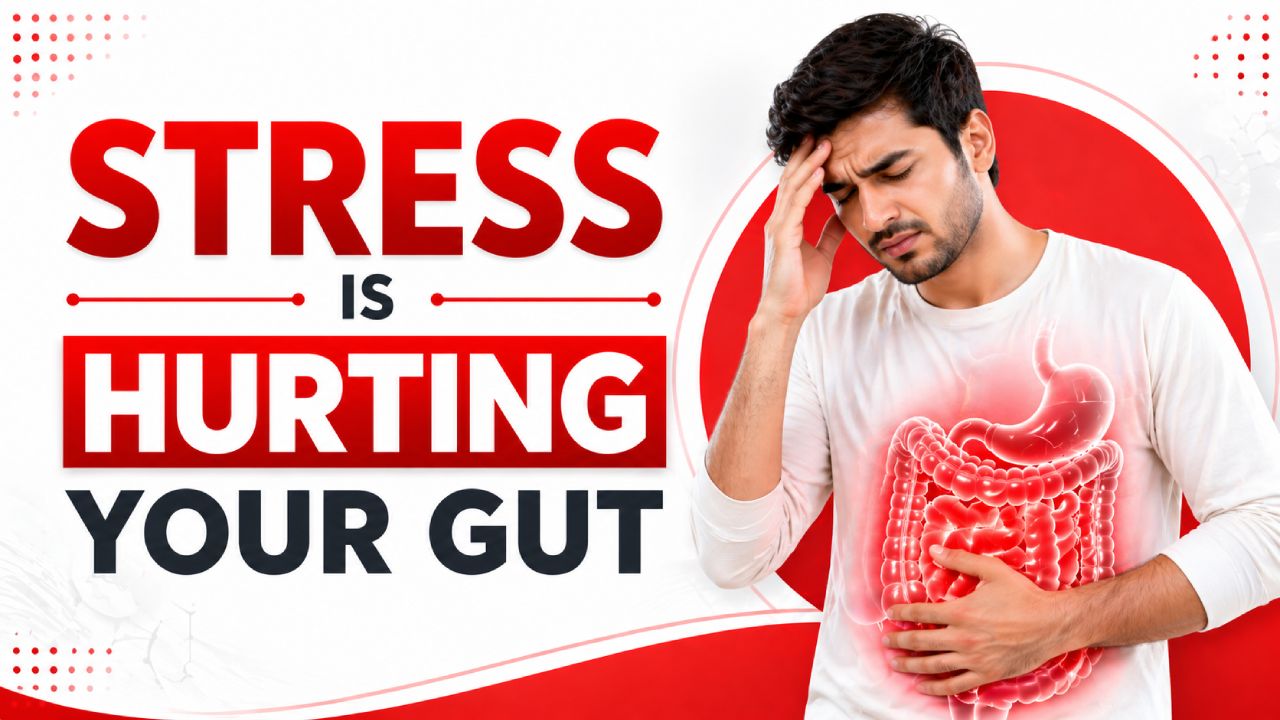
Have you ever noticed your stomach acting up during stressful situations? That sudden urge to rush to the washroom before an important meeting, or bloating and discomfort during emotional stress — this is not a coincidence. It could be stress IBS, a condition where your gut and mind are deeply connected.
Dr. Saroj Dubey, Consultant Gastroenterologist at Kailash Hospital, Noida, listens as a patient describes the familiar pattern: a stressful week at work, followed by days of abdominal pain, bloating, and erratic bowel habits. "This is one of the most common stories I hear. The connection between stress and ibs is not just psychological—it's a direct biological pathway. When you feel anxious or overwhelmed, your brain sends distress signals directly to your gut. For people with IBS, this response is amplified, creating a vicious cycle where stress triggers symptoms, and the symptoms themselves cause more stress."
Irritable Bowel Syndrome (IBS) affects millions worldwide, and mounting evidence shows that stress is not just a trigger but often a primary driver of the condition. This comprehensive guide, with expert insights from Dr. Saroj Dubey, explores the science of stress induced ibs, provides practical strategies to break the cycle, and offers a roadmap to reclaiming digestive peace.
Table of Content
IBS is a functional gastrointestinal disorder characterized by abdominal pain, bloating, and altered bowel habits (constipation, diarrhea, or both) without any visible damage to the digestive tract. For many patients, stress related ibs is the predominant pattern—symptoms flare during periods of high stress and improve when life calms down.
The gut and brain are connected by a vast network of nerves, hormones, and neurotransmitters called the gut-brain axis. The vagus nerve acts as a superhighway, carrying signals in both directions. This is why:
- Stress can cause "butterflies" in your stomach
- Anxiety can lead to diarrhea before a big event
- Gut inflammation can affect your mood
In people with ibs caused by stress, this communication system is hypersensitive. Even normal digestive processes (like gas moving through the intestines) are perceived as painful. Stress hormones amplify this sensitivity, creating a feedback loop.
"The most important concept I teach my patients," explains Dr. Saroj Dubey, "is that stress induced ibs is not 'all in your head.' Your symptoms are real. But the solution involves both the brain and the gut. At Kailash Hospital, Noida, we treat the whole person—not just the digestive tract."
Also read: Stomach Pain Due to Stress and Anxiety: Understanding and Managing the Impact
When stress hits, your body kicks into gear with the "fight or flight" response, which leads to releasing hormones like cortisol and adrenaline into your system. These hormones have direct effects on the digestive system:
- Altered Motility: Stress can speed up or slow down intestinal contractions. In some people, this causes diarrhea (the body trying to eliminate contents quickly). In others, it causes constipation (muscles tightening and slowing transit).
- Visceral Hypersensitivity: Stress lowers the threshold for pain perception in the gut. Normal amounts of gas or stool that would go unnoticed become intensely uncomfortable or painful.
- Increased Inflammation: Chronic stress promotes low-grade inflammation in the intestinal lining, which can worsen IBS symptoms and may contribute to flares of inflammatory bowel disease.
- Changes in Gut Microbiome: Stress alters the balance of bacteria living in your colon, favouring species that produce gas and inflammation.
- Disrupted Gut Barrier: Stress can increase intestinal permeability ("leaky gut"), allowing bacterial products to enter the bloodstream and trigger immune responses.
IBS due to stress often follows a recognizable pattern:
- Symptom onset or worsening during periods of high life stress (work deadlines, exams, relationship conflicts, financial worries)
- Improvement during vacations, weekends, or after resolving the stressor
- Morning symptoms often worse, as cortisol naturally peaks in the early hours
- Associated symptoms of anxiety, depression, sleep disturbances, or fatigue
Common Triggers:
- Work pressure and deadlines
- Family responsibilities and conflicts
- Financial stress
- Major life changes (moving, job loss, divorce)
- Health anxiety (worrying about symptoms makes them worse)
Also read: 8 Proven Strategies for Mastering Stress and Anger in Daily Life
The goal is to interrupt the feedback loop where stress worsens gut symptoms and gut symptoms worsen stress.
1. Brain-Directed Therapies (The Most Important Step)
Cognitive Behavioral Therapy (CBT):
CBT helps you identify and change negative thought patterns that fuel stress and symptom worry. Studies show CBT is as effective as medication for many IBS patients, with lasting benefits.
- What to expect: 8-12 sessions with a therapist trained in GI psychology
- Skills learned: Recognizing automatic stress thoughts, challenging catastrophic thinking (e.g., "This pain means something terrible is happening"), developing coping statements
Gut-Directed Hypnotherapy:
Hypnotherapy specifically for IBS teaches you to consciously relax the intestines and reduce pain perception. It has strong evidence for reducing symptom severity.
Mindfulness-Based Stress Reduction (MBSR):
Mindfulness practices help you observe stress responses without reacting to them. Regular practice reduces cortisol levels and improves pain tolerance.
2. Relaxation Techniques (Do Daily)
Diaphragmatic Breathing:
Also called "belly breathing," this activates the parasympathetic (rest and digest) nervous system.
- How to do it: Sit or lie comfortably. Place one hand on your chest and one on your belly. Inhale slowly through your nose, letting your belly rise (chest stays still). Exhale slowly through pursed lips, feeling your belly fall. Repeat for 5-10 minutes.
Progressive Muscle Relaxation:
Begin by tensing and releasing each muscle group, starting from your toes and moving all the way up to your head. This reduces overall body tension, including in the gut.
Guided Imagery:
Visualize a peaceful scene or imagine your intestines relaxing and moving smoothly.
3. Lifestyle Modifications
Regular Physical Activity:
Exercise is a powerful stress reducer. Walking, yoga, swimming, or cycling for 20-30 minutes daily lowers cortisol and improves gut motility.
- Best for IBS: Moderate, consistent activity. Avoid intense exercise during flares.
Prioritize Sleep:
Sleep deprivation amplifies stress responses. Aim for 7-8 hours nightly. Establish a calming bedtime routine (no screens for 1 hour before bed).
Social Connection:
Isolation worsens stress. Maintain supportive relationships, even if you don't feel like going out.
Time Management:
Overcommitment is a major stressor. Learn to say "no," delegate, and build buffer time into your schedule.
4. Dietary Support for the Stressed Gut
While diet alone cannot fix stress induced ibs, it can reduce symptom severity, making stress management easier.
Low FODMAP Diet (Temporary):
For many, a short-term low FODMAP diet reduces gas, bloating, and pain, lowering overall gut distress.
Regular Meal Timing:
Erratic eating disrupts the migrating motor complex. Eat 3 balanced meals at consistent times daily.
Limit Gut Irritants:
- Caffeine (stimulates stress response)
- Alcohol (disrupts sleep and gut barrier)
- Spicy or fried foods (may trigger symptoms)
Stay Hydrated:
Dehydration worsens constipation and fatigue.
Morning (Before Getting Out of Bed):
- 5 minutes diaphragmatic breathing
- Gentle abdominal massage (clockwise circles)
Throughout the Day:
- Take brief "stress breaks" (2-3 minutes of deep breathing every 2 hours)
- Eat meals at consistent times, away from your desk
- Stay hydrated (sip water throughout the day)
Evening:
- 10-15 minutes of gentle yoga or stretching
- No screens 1 hour before bed
- Journaling to process the day's stressors
Weekly:
- 150 minutes of moderate exercise (brisk walking, swimming)
- One social connection activity (coffee with a friend, phone call with family)
- A relaxing hobby (reading, gardening, music)
Also read: Winning the Workplace Battle: How to Handle Stress and Pressure at Work Without Losing Yourself
Consult a gastroenterologist in Noida like Dr. Saroj Dubey if:
- Your symptoms are significantly impacting your quality of life
- You have tried stress management and dietary changes without adequate relief
- You experience red flags: blood in stool, unintended weight loss, fever, or family history of colon cancer
- You need help distinguishing IBS from other conditions (like inflammatory bowel disease or celiac disease)
At Kailash Hospital, Noida, comprehensive diagnostic services are available, including:
- Detailed history and physical examination
- Blood tests to rule out other causes
- Colonoscopy when indicated
- Referral to psychologists or psychiatrists specializing in gut-brain disorders
Stress induced ibs can feel like a trap—the more you worry about your gut, the worse your gut feels. But with the right understanding and tools, you can break the cycle.
As Dr. Saroj Dubey of Kailash Hospital, Noida concludes: "The gut-brain connection is real, but it works both ways. Just as stress can worsen IBS, calming the mind can heal the gut. The path forward involves learning to turn down the volume on your body's alarm system. This takes practice and often professional guidance, but it is absolutely achievable. You are not broken. Your gut is not broken. It is simply sending amplified signals that need to be recalibrated. At Kailash Hospital, Noida, we are here to help you do just that—to find the calm within, and let your digestive system follow."
Take the first step toward digestive peace. If you are struggling with stress and IBS, schedule a consultation with our gastroenterology team at Kailash Hospital, Noida, for a comprehensive, compassionate approach to healing your gut and your mind.










 +91-9193939393
 international.marketing@kailashhealthcare.com