Prediabetes Warning: How to Protect Your Heart & Reverse the Risk
Verified By
Dr. Rahul Parashar
,
MD, DM (Endocrinology), Consultant Endocrinologist, Kailash Hospital
| Published: 07-Feb-2026
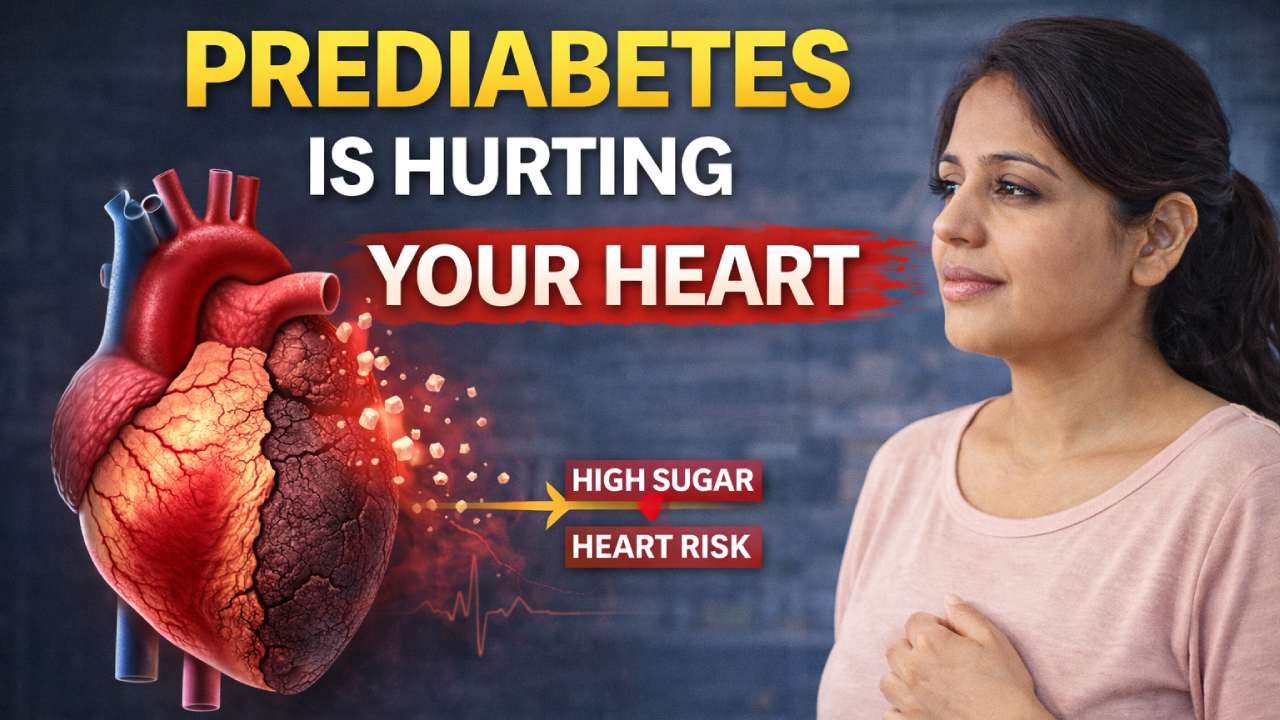
In India, we often talk about grand challenges, but sometimes the most significant battles are fought silently within our own bodies. Two such silent threats, prediabetes and heart disease, are rapidly escalating, forming a dangerous duo that jeopardizes the health and well-being of millions across the nation. Prediabetes, an often-overlooked precursor to Type 2 diabetes, affects a staggering number of Indians, many of whom are unaware they’re on the brink. This condition isn't just about blood sugar; it's a critical warning sign that significantly heightens the risk of cardiovascular diseases – heart attacks, strokes, and other serious complications.
The good news? This isn't a battle we're destined to lose. Understanding these silent threats is the first step towards transforming them into opportunities for proactive health management. This article is your comprehensive guide to decoding the intricate relationship between prediabetes and heart health, offering practical, evidence-based strategies to empower you to prevent both, and safeguard your future. We'll delve into expert insights, including those from Dr. Rahul Parashar, Consultant - Endocrinologist at Kailash Hospital, to equip you with the knowledge to make informed choices for a healthier heart and a life free from the grip of chronic disease.
Table of Content
Prediabetes is a condition where blood sugar levels are higher than normal but not yet high enough to be diagnosed as Type 2 diabetes. It's often referred to as an "impaired glucose tolerance" or "impaired fasting glucose." The alarming reality is that millions of Indians are prediabetic, often without experiencing any noticeable symptoms. This stealthy nature makes it particularly dangerous, as the body silently undergoes changes that lay the groundwork for more serious health issues.
"Prediabetes is a crucial crossroads," explains Dr. Rahul Parashar. "It's a clear signal from your body that your metabolism isn't functioning optimally. While it doesn't present with the classic symptoms of diabetes like excessive thirst or frequent urination, the elevated blood sugar levels are already initiating damage, particularly to your blood vessels and organs. Ignoring this stage means almost certainly progressing to Type 2 diabetes within five to ten years, and concurrently increasing your risk for heart disease."
The primary concern with prediabetes is not just the eventual diagnosis of diabetes, but the accompanying increased risk of developing cardiovascular disease even before full-blown diabetes sets in. Studies have consistently shown a strong correlation between prediabetes and a higher incidence of heart attacks and strokes. This is because prolonged elevated blood sugar, even if not yet at diabetic levels, contributes to inflammation and damage to blood vessel walls, setting the stage for atherosclerosis (hardening of the arteries).
Also read: Your "Healthy" Breakfast is a Lie. Here's What a Top Dietitian Says to Eat Instead
The link between prediabetes and heart disease is intricate and multifaceted. When your body struggles to process glucose efficiently, your pancreas works overtime, producing more insulin to try and lower blood sugar. Over time, cells can become resistant to insulin, a condition known as insulin resistance. This leads to a vicious cycle: higher blood sugar, more insulin production, and increasing stress on your cardiovascular system.
High blood sugar levels damage the lining of blood vessels, making them stiffer and narrower. This damage promotes the buildup of plaque, a sticky substance made of cholesterol, fat, and other materials, inside the arteries. This process, atherosclerosis, restricts blood flow to the heart and brain, dramatically increasing the risk of:
- Heart Attack: When blood flow to a part of the heart muscle is blocked.
- Stroke: When blood flow to a part of the brain is interrupted.
- Peripheral Artery Disease (PAD): Reduced blood flow to the limbs.
- Heart Failure: The heart's inability to pump enough blood to meet the body's needs.
"The prediabetic state itself acts as an independent risk factor for heart disease," emphasizes Dr. Parashar. "Many people assume that heart complications only arise after a diabetes diagnosis, but that's a dangerous misconception. The vascular damage begins much earlier. Managing your blood sugar at the prediabetic stage is perhaps the single most impactful step you can take to prevent future heart problems."
Furthermore, prediabetes often co-exists with other risk factors for heart disease, such as high blood pressure, high cholesterol, and obesity – a cluster of conditions often referred to as metabolic syndrome. Each of these factors independently contributes to cardiovascular risk, and their combination significantly amplifies the danger.
Given the silent nature of prediabetes, early detection is paramount. Waiting for symptoms is a risky gamble. So, who should get tested, and what tests are involved?
Who Should Get Tested?
If you are an Indian adult, especially over the age of 30-35, and have any of the following risk factors, regular screening is highly recommended:
- Overweight or Obesity: A BMI of 23 kg/m² or higher is considered overweight for Asians.
- Family History: A parent or sibling with Type 2 diabetes.
- Sedentary Lifestyle: Lack of physical activity.
- History of Gestational Diabetes: Diabetes during pregnancy.
- Polycystic Ovary Syndrome (PCOS): In women.
- High Blood Pressure (Hypertension).
- Abnormal Cholesterol Levels: High triglycerides or low HDL ("good") cholesterol.
- Acanthosis Nigricans: Darkened skin patches, often in the armpits or neck.
What Tests Are Involved?
Several blood tests can diagnose prediabetes:
- Oral Glucose Tolerance Test (OGTT): Measures blood sugar before and 2 hours after drinking a sugary liquid.
- Normal: Less than 140 mg/dL
- Prediabetes: 140-199 mg/dL
- Diabetes: 200 mg/dL or higher
- Fasting Plasma Glucose (FPG): Measures blood sugar after an overnight fast.
- Normal: Less than 100 mg/dL
- Prediabetes: 100-125 mg/dL
- Diabetes: 126 mg/dL or higher
- HbA1c (Glycated Hemoglobin) Test: Provides an average of your blood sugar levels over the past 2-3 months.
- Normal: Below 5.7%
- Prediabetes: 5.7% - 6.4%
- Diabetes: 6.5% or higher
"Regular health check-ups, even if you feel perfectly healthy, are indispensable," advises Dr. Parashar. "An annual check-up, including a basic metabolic panel and an HbA1c test, can catch prediabetes early. This proactive approach gives you the power to intervene before irreversible damage occurs. Don't wait for symptoms; by then, the condition is often more advanced."
Also read: Healthy Eating Diet to Lose Weight: 10 Smart Food Habits for Safe & Lasting Results
The good news about prediabetes is that it’s often reversible. Even better, the very strategies used to reverse prediabetes are also highly effective in preventing and managing heart disease. This means a dual benefit for your health!
Lifestyle Changes are Your Most Powerful Medicine:
1. Nourish Your Body with Smart Choices (Diet):
- Focus on Whole Foods: Emphasize whole grains (ragi, bajra, jowar, whole wheat), fresh fruits, a wide variety of vegetables, legumes (dals), nuts, and seeds. These are rich in fibre, which helps regulate blood sugar.
- Reduce Refined Carbohydrates & Sugars: Limit white rice, maida products (bread, biscuits, pastries), sugary drinks, and sweets. These cause rapid spikes in blood sugar.
- Portion Control: Even healthy foods can be detrimental in excess. Be mindful of your portion sizes, especially for carbohydrates. Use smaller plates.
- Healthy Fats: Choose unsaturated fats found in olive oil, mustard oil, nuts, seeds, and avocados. Limit saturated and trans fats found in fried foods, processed snacks, and excessive butter/ghee.
- Hydration: Drink plenty of water throughout the day.
- Indian Context Tip: Embrace traditional Indian cooking methods that use less oil and more spices. Incorporate more fresh salads and sprouts into your meals. Consider replacing white rice with brown rice, millets, or whole wheat rotis.
2. Move Your Body Regularly (Physical Activity):
- Aim for at least 150 minutes of moderate-intensity aerobic activity per week. This could be a brisk walk, jogging, cycling, swimming, or dancing. Even 30 minutes, five times a week, makes a significant difference.
- Incorporate Strength Training: Two to three times a week, engage in activities that build muscle, such as bodyweight exercises, yoga, or lifting weights. Muscle tissue helps improve insulin sensitivity.
- Reduce Sedentary Time: Break up long periods of sitting by standing, stretching, or walking for a few minutes every hour.
- Indian Context Tip: Integrate activity into your daily routine – take stairs instead of elevators, walk to the local market, or practice yoga and Surya Namaskar at home.
3. Achieve and Maintain a Healthy Weight:
- Losing even a modest amount of weight (5-7% of your body weight) can significantly improve insulin sensitivity and reduce the risk of progressing to Type 2 diabetes and heart disease.
- Combine healthy eating with regular physical activity for sustainable weight loss.
4. Manage Stress Effectively:
- Chronic stress can elevate blood sugar levels and contribute to unhealthy eating habits.
- Practice stress-reduction techniques like meditation, deep breathing exercises, yoga, spending time in nature, or engaging in hobbies you enjoy.
- Indian Context Tip: Many traditional Indian practices like Pranayama and various forms of meditation are excellent for stress management.
5. Prioritize Quality Sleep:
- Lack of adequate sleep can disrupt hormone balance, leading to increased insulin resistance and higher blood sugar levels.
- Aim for 7-9 hours of quality sleep per night. Establish a consistent sleep schedule and create a relaxing bedtime routine.
"The power to reverse prediabetes and protect your heart lies largely in your hands," states Dr. Parashar. "These aren't complex medical interventions; they are foundational lifestyle choices. Think of it as a holistic approach where every healthy habit reinforces another. Regular physical activity, a balanced diet rich in whole foods, and stress management are the pillars of long-term health. These changes are not just about preventing disease; they are about enhancing your quality of life."
Also read: The Hidden Danger in Your Kitchen: How Ultra-Processed Foods Are Fueling India's Chronic Disease Epidemic
While lifestyle changes are incredibly powerful, they are not always sufficient, or you might need guidance to implement them effectively. Don't hesitate to seek professional help.
- Consult Your Doctor: If you’ve been diagnosed with prediabetes, your doctor can provide personalized advice, monitor your progress, and discuss if medication is appropriate in certain circumstances. They can also connect you with other specialists.
- Dietitian/Nutritionist: A registered dietitian can help you develop a personalized meal plan that fits your dietary preferences, cultural background, and health goals, particularly in Indian cuisine, which has unique challenges and benefits.
- Exercise Physiologist: For guidance on safe and effective exercise routines, especially if you have existing health conditions.
- For specialized care, you might consider reaching out to Noida endocrinology Hospital or Noida’s heart specialists for advanced diagnostics and treatment plans tailored to your specific needs.
"Never underestimate the value of professional guidance," concludes Dr. Parashar. "While this article provides general advice, your health journey is unique. A healthcare team can offer a personalized roadmap, support you through challenges, and ensure you're on the right track. Remember, continuous monitoring and open communication with your doctor are key to staying ahead of these silent threats."
Prediabetes and heart disease may be silent threats, but they do not have to be inevitable. By understanding their interconnected nature and embracing proactive lifestyle changes, you hold the power to change your health trajectory. From making mindful food choices to integrating physical activity and managing stress, every small step contributes to a significantly healthier future. This is not just about extending your lifespan, but about enhancing its quality, allowing you to live a vibrant, fulfilling life, free from the shadow of these preventable chronic conditions. Take action today – your heart, and your future, will thank you.










 +91-9193939393
 international.marketing@kailashhealthcare.com