Diet for Thyroid Patients: A Complete Indian Guide to Foods to Eat and Avoid
Verified By
Ms. Sonika Choudhary
,
Msc. (Food & Nutrition) , M.phl (Food Science), HOD Dietetics, Kailash Hospital
| Published: 24-Jan-2026
Ms. Sonika Choudhary, Chief Dietitian at Kailash Hospital, Noida, reviews a patient's food diary with a reassuring smile. "For a thyroid patient in India, managing your diet can feel like navigating a maze. The key isn't in searching for exotic superfoods, but in making intelligent choices from your own kitchen. A smart diet for thyroid patients is about understanding which everyday Indian foods support your energy and which ones require a little caution. Your thyroid patient food list should be familiar, affordable, and effective."
Managing hypothyroidism effectively involves a strategic partnership between medication and diet. This practical listicle, guided by Ms. Sonika Choudhary, provides a clear roadmap using common Indian ingredients. We will build your personal hypothyroidism diet food list by focusing on nourishing foods and understanding how to prepare others wisely.
Table of Content
These everyday foods provide the crucial nutrients your thyroid gland needs to function optimally.
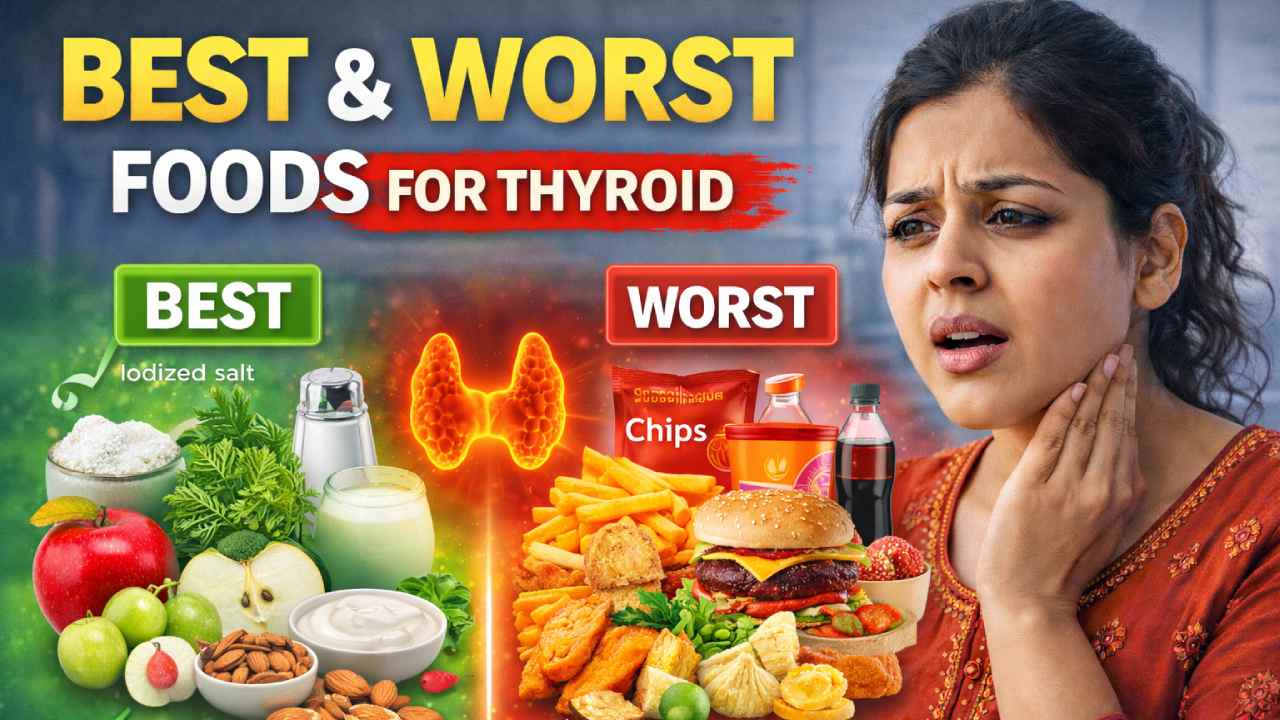
1. Iodized Namak (Salt): The Essential Foundation
Iodine is the fundamental building block of thyroid hormones. In India, widespread iodine deficiency was a major cause of goitre and hypothyroidism.
- What to Use: Iodized salt used in your daily cooking is the primary and most reliable source.
- Key Advice: "The single most important dietary step is to ensure your family uses only iodized salt," advises Ms. Choudhary. "It's a simple, powerful public health victory. Avoid rock salt or sendha namak as your primary salt if you have a deficiency. This is the first item on any true healthy food for thyroid patients list in India."
2. Seeds and Legumes: The Powerhouse Protectors
Certain Indian seeds and pulses are rich in selenium and zinc, minerals vital for converting thyroid hormones into their active form and protecting the gland.
- What to Eat: Sunflower seeds (surajmukhi ke beej), mustard seeds (sarson), whole pulses like chana (chickpeas), rajma (kidney beans), and all dals. A daily bowl of dal is excellent.
- Expert Insight: "A simple tablespoon of roasted sunflower seeds or a handful of soaked chana as a snack can provide valuable selenium and zinc," says Ms. Choudhary. "They are perfect, local additions to a hypothyroidism diet food list."
3. Dahi and Doodh: The Daily Duo for Activation
Dairy products commonly consumed in Indian diets are good sources of both iodine (depending on soil and cattle feed) and vitamin D, which supports immune and thyroid health.
- What to Eat: Curd (dahi), milk (doodh), and buttermilk (chaas).
- Practical Tip: "A bowl of dahi with your lunch or a glass of chaas in the evening is a wholesome habit," notes Ms. Choudhary. "It provides protein, probiotics for gut health—which is linked to immunity—and important nutrients."
4. Seasonal Sabzi and Fruits: The Inflammation Tamers
Colorful vegetables and fruits are packed with antioxidants, vitamins, and fiber. They help combat inflammation (key in autoimmune thyroiditis) and support digestion.
- What to Eat: All leafy greens (saag like palak, methi), gourds (lauki, tori), carrots, tomatoes, and seasonal fruits like guava, amla, and berries.
- Why It Matters: The high fiber content helps manage constipation, a common and frustrating symptom of hypothyroidism.
5. Good Fats: The Hormone Helpers
Healthy fats are necessary for hormone production and absorption. Traditional Indian cooking uses several excellent sources.
- What to Use: Ghee (in moderation), coconut oil, mustard oil, and nuts like almonds (badam) and walnuts (akhrot).
- Expert Insight: "Don't fear ghee; use it wisely. A teaspoon of pure ghee on your roti or in dal can be part of a balanced diet for thyroid patients," emphasizes Ms. Choudhary.
Also read: Rheumatoid Arthritis & Diet: The Best Foods to Eat and Avoid for Pain-Free Living
Some nutritious Indian foods contain natural compounds (goitrogens) that can interfere with thyroid hormone production if consumed in extremely large, raw amounts on a daily basis. Cooking significantly reduces this effect.
1. Cruciferous Vegetables: The "Pakao, Kachcha Nahi" Rule
These are highly nutritious vegetables that should be cooked, not avoided.
- Foods on the List: Gobhi (cauliflower), bandh gobhi (cabbage), mooli (radish), and sarson ka saag (mustard greens).
- The Safe Way: "Please do not stop eating gobhi or saag," stresses Ms. Sonika Choudhary. "Steaming, boiling, or stir-frying deactivates the concerning compounds. They belong in a healthy food for thyroid patients diet when cooked. The issue is only with drinking large, daily glasses of raw cabbage or kale juice, which is uncommon here."
2. Soy and Soy Products: The Timing Game
Isoflavones in soy may interfere with thyroid hormone absorption if consumed in very large quantities.
- What to Moderate: Soybeans, tofu, and soy nuggets (soya chunks).
- Key Strategy: "If you enjoy soya chunks curry or tofu, mind the clock," explains Ms. Choudhary. *"Do not consume it within 3-4 hours of taking your thyroid medicine. This simple gap prevents any potential interference and allows you to enjoy these foods occasionally."
3. Processed "Junk" Food and Added Cheeni: The Real Culprits
This is the most critical category to limit. These foods promote inflammation, weight gain, and insulin resistance, exacerbating hypothyroid symptoms like fatigue and making weight management very difficult.
- What to Avoid: Packaged chips, biscuits, namkeen, sugary drinks, mithai, and fried fast food.
- Expert Insight: "This is the core of a practical thyroid patient avoid food list," states Ms. Choudhary. "They offer no nutrition, spike blood sugar, and worsen inflammation. Choosing home-cooked meals over these is one of the best things you can do."
4. Arbi (Colocasia) and Raw Spinach: Be Mindful
While nutritious, these contain goitrogens and are best consumed cooked.
- The Rule: Enjoy arbi well-cooked in a curry. Enjoy palak cooked in your saag or dal, not in large raw salads daily.
Here’s how to translate this into your daily meals. A sample framework for your thyroid patient food list:
- Breakfast: Vegetable besan cheela with mint chutney // OR // Vegetable daliya (porridge) with a sprinkle of sunflower seeds.
- Mid-Morning: A handful of mixed roasted seeds (pumpkin, sunflower) + 1 seasonal fruit like an apple or guava.
- Lunch: 1-2 Rotis (prefer multigrain atta) + 1 bowl Moong/Masoor dal + 1 large bowl cooked seasonal sabzi (e.g., cooked lauki or tinda) + 1 katori dahi.
- Evening: Herbal tea (like ginger or cinnamon) + Roasted chana or makhana.
- Dinner: Vegetable and dal khichdi with a spoonful of ghee // OR // Light roti-sabzi similar to lunch, but a smaller portion.
- Hydration: Drink plenty of water and nimbu pani throughout the day.
Also read: Boost Your Digestive Health: High-Fiber Foods for Constipation Relief
- Medicine First, Diet Second:Diet is a powerful support act, but it does not replaceprescribed medicine. Consistency with medication is non-negotiable.
- Consistency Over Perfection:Regularly eating balanced, home-cooked meals is far better than occasional "perfect" eating followed by unhealthy cycles.
- Personalization is Key:Individual needs vary based on age, weight, activity, and whether you have an autoimmune condition. A generic list has its limits.
"This is where professional guidance makes all the difference," stresses Ms. Sonika Choudhary. "A thyroid specialist doctor near you manages your medication and diagnosis. A best dietician near you, like our team at Kailash Hospital, Noida, then creates a personalised, practical diet for thyroid patients. We consider your blood reports, symptoms, food preferences, and daily routine to craft a plan that helps you feel energetic and in control, using the foods you know and love."
If you feel overwhelmed by dietary choices or are not seeing improvement in your energy levels, schedule a consultation with our nutrition experts at Kailash Hospital, Noida. Let us help you build a sustainable, thyroid-friendly eating plan that fits your Indian lifestyle.








 +91-9193939393
 international.marketing@kailashhealthcare.com