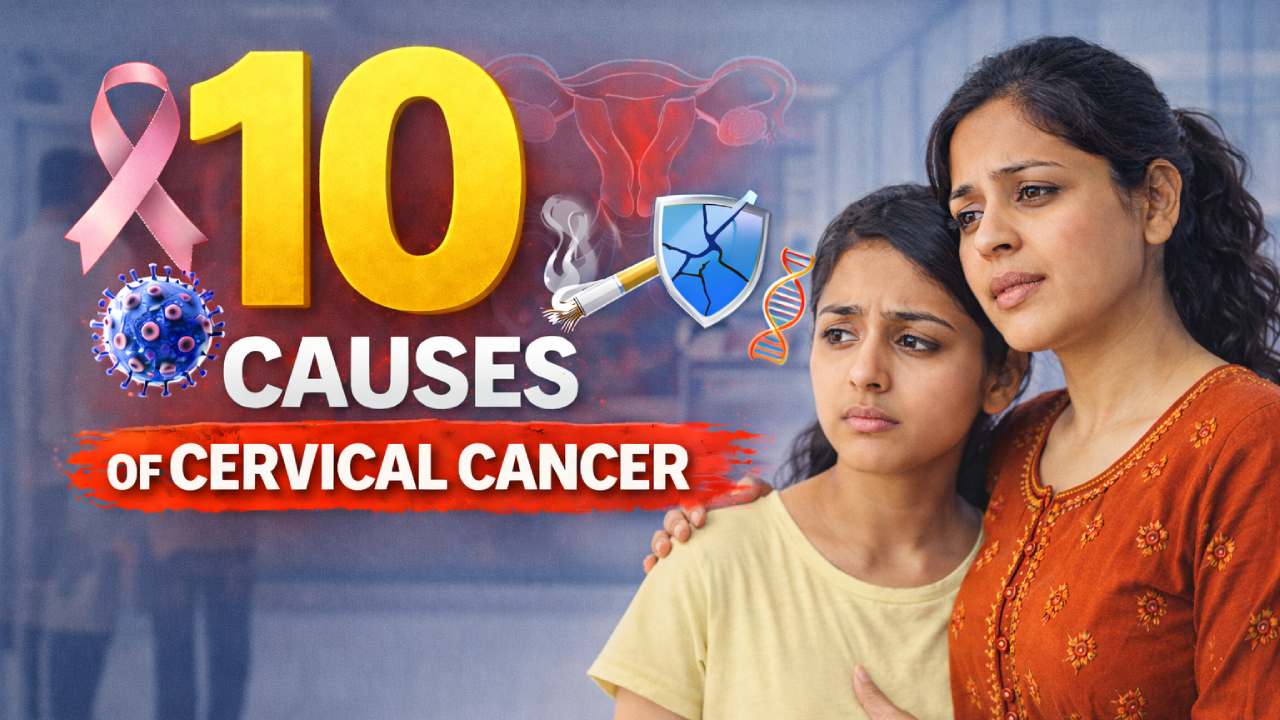
10 Root Causes of Cervical Cancer: A Comprehensive Guide to Risk, Prevention, and Action
Verified By
Dr. Pallavi Redhu
,
MD, DrNB (Medical Oncology), Consultant - Medical Oncology, Kailash Hospital
| Published: 28-Jan-2026
Dr. Pallavi Redhu, Consultant Medical Oncologist at Kailash Hospital, Noida, reviews a patient's screening history with a profound sense of purpose. "Cervical cancer is a unique battleground in oncology. Unlike many cancers with mysterious origins, we have mapped a clear chain of causation. Understanding all ten cervical cancer causes—from viral infections to social inequities—gives us the power to interrupt this chain at multiple points. It transforms fear into actionable knowledge."
Dr. Megha Tiwari, Consultant Gynecologist at Kailash Hospital, Noida, adds, "In my practice, I see women empowered when they realize their risk is not just fate. Each cause we discuss opens a door to a specific preventive action. From the HPV vaccine for cervical cancer to lifestyle choices, knowledge is the first and most vital step toward lifelong health."
This article delves deeper into the multifaceted landscape of cervical cancer risk, providing a comprehensive view essential for prevention and early detection.
Table of Content
The Non-Negotiable Driver: Over 95% of cervical cancer cases are directly attributable to persistent infection with high-risk strains of the Human Papillomavirus (HPV), primarily types 16 and 18.
- The Mechanism: HPV is a sexually transmitted virus. While most infections clear spontaneously, a persistent high-risk infection can integrate into cervical cell DNA, disrupting normal cell cycle controls and initiating the slow progression from dysplasia to cancer over 10-20 years.
- Medical Insight: "Think of high-risk HPV as the essential seed for cervical cancer," explains Dr. Redhu. "Without this seed, the disease simply cannot grow. This is why our primary public health focus is on preventing the seed from being sown through vaccination and detecting its early growth through screening."
The Failed Defense: The body's immune surveillance is crucial for clearing HPV. When compromised, the risk of persistence and progression skyrockets.
- Key Immunosuppressive Conditions:
- HIV/AIDS: Women with HIV are up to six times more likely to develop cervical cancer.
- Iatrogenic Immunosuppression: Long-term use of corticosteroids or immunosuppressants after organ transplants.
- Autoimmune Diseases managed with strong immunosuppressive therapies.
- Clinical Perspective: "For immunocompromised women, standard screening intervals are often insufficient," advises Dr. Tiwari. "At Kailash Hospital, Noida, we recommend more frequent cervical cancer screening—sometimes annually—for these high-risk patients to ensure timely intervention."
Also read: Why Every Indian Family Must Prioritize HPV Vaccination and Eradicate Cervical Cancer
The Accelerant: Smoking, both active and passive, is a major independent risk factor, doubling the relative risk of cervical cancer.
- The Science: Carcinogenic byproducts of tobacco, such as nicotine and cotinine, are found in high concentrations in the cervical mucus of smokers. These chemicals cause direct DNA damage to cervical cells and may also impair local immune response, allowing HPV to thrive.
- Oncologist's Warning: "If HPV plants the seed, smoking fertilizes the soil and waters the weed," states Dr. Pallavi Redhu. "Quitting smoking is one of the most impactful behavioral changes a woman can make to reduce her cervical cancer causes risk profile."
The Hormonal Link: The use of oral contraceptives (OCs) for five or more years is associated with an increased relative risk, which declines after discontinuation.
- Understanding the Data: Large cohort studies suggest a possible role of hormonal influence on cervical cell susceptibility to HPV or on the progression of existing lesions. The overall benefit-risk profile of OCs remains positive, but awareness is key.
- Gynecologist's Guidance: "This finding shouldn't cause panic but should inform conversation," clarifies Dr. Megha Tiwari. "Women on long-term OCs should be exceptionally diligent about regular cervical cancer screening. It's a perfect example of how personalized medical history guides care intensity."
The Reproductive History Factor: Having three or more full-term pregnancies is associated with an increased risk, particularly in HPV-positive women.
- Possible Explanations: Hormonal changes during pregnancy may make cervical cells more susceptible to HPV infection or integration. Additionally, pregnancy-related immune modulation and potential cervical trauma during childbirth may play roles.
- Expert Context: "This risk factor highlights why a complete obstetric history is part of every well-woman exam," notes Dr. Tiwari.
The Inflammatory Environment: Concurrent infections with Chlamydia trachomatis or Herpes Simplex Virus Type-2 (HSV-2) may increase the risk of HPV persistence and progression.
- The Biological Rationale: These STIs can cause chronic inflammation and localized immunosuppression at the cervical transformation zone, creating a more permissive environment for oncogenic HPV activity.
- Preventive Imperative: "Safe sexual practices protect against a cluster of risks," emphasizes Dr. Tiwari. "Preventing chlamydia or herpes is not just about those diseases; it's also about creating a healthier cervical microenvironment."
Also read: Breast and Cervical Cancer in India: A Practical Guide to Prevention, Early Detection, and Hope
The Systemic Cause: Poverty, low education levels, and lack of access to healthcare are fundamental drivers of cervical cancer incidence and mortality.
- The Reality: These factors create barriers to vaccination, routine cervical cancer screening, and timely follow-up for abnormal results. This leads to late-stage diagnoses where cervical cancer treatment is more complex and less successful.
- A Moral Mandate: "As a best hospital in Noida, we have a responsibility to bridge this gap," asserts Dr. Redhu. "Our community outreach programs focus on bringing awareness and screening to underserved populations, because where you live and your income should not determine your cancer outcome."
The Metabolic Factor: A diet chronically deficient in antioxidants (Vitamins A, C, E) and folate may be linked to a higher risk of HPV persistence and cervical dysplasia.
- The Science: These micronutrients are essential for DNA synthesis, repair, and immune function. Their deficiency may hinder the body's ability to clear HPV and repair HPV-induced cellular damage.
- Actionable Advice: "A diet rich in colorful fruits, vegetables, and leafy greens is not just general health advice; it's a cervical cancer prevention strategy," recommends Dr. Tiwari.
The Inherited Component: Having a first-degree relative (mother, sister) with cervical cancer increases a woman's risk, suggesting a possible genetic predisposition to HPV persistence or carcinogenesis.
- Current Understanding: While not as strong a predictor as in breast or ovarian cancers, familial clustering points to shared genetic factors in immune response or cellular repair mechanisms.
- Clinical Implication: "A strong family history is a flag for me to be more vigilant and proactive with a patient's screening schedule," explains Dr. Redhu.
The Exposure Window Factor: Initiating sexual activity at a young age (particularly before 18) increases the lifetime risk, primarily by extending the window of potential exposure to HPV.
- Biological Context: The adolescent cervical transformation zone is larger and more active, potentially making it more vulnerable to HPV infection and integration.
- Prevention Link: "This risk factor powerfully underscores the rationale for vaccinating adolescents before sexual debut," states Dr. Tiwari. "The HPV vaccine for cervical cancer is a true primary prevention tool, designed to protect during this vulnerable period."
In its earliest stages, cervical cancer is often "silent," showing no outward signs at all. This is why it is often called a silent killer. As the disease progresses, however, certain cervical cancer symptoms begin to manifest.
Dr. Pallavi Redhu, Consultant Medical Oncologist at Kailash Hospital, Noida, warns: "By the time a woman experiences visible symptoms, the cancer may have already begun to spread. We urge women to seek consultation immediately if they notice any of the following."
- Abnormal Vaginal Bleeding: This refers to bleeding that occurs between periods, after menopause, or following sexual intercourse.
- Unusual Discharge: A watery, bloody, or foul-smelling vaginal discharge.
- Pelvic Pain: Persistent pain in the pelvic region or pain during intercourse (dyspareunia).
- Leg Swelling or Back Pain: In advanced stages, the tumor may press against nerves or affect lymphatic drainage.
If you are experiencing these cervical cancer symptoms, do not panic, as they can also be caused by infections or benign conditions. However, an immediate evaluation at the best hospital in Noida is essential for peace of mind.
Also read: Bleeding After Your Period Stops? Why Indian Women Shouldn't Ignore This Warning Sign of Cervical Cancer
The most effective way to combat the various cervical cancer causes is through proactive screening. In 2026, the medical community has seen a significant shift toward "Primary HPV Testing."
Dr. Megha Tiwari explains the current protocol: "We have moved beyond the traditional Pap smear as the only option. We now emphasize HPV DNA testing, which detects the virus before it even causes cell changes. In 2026, new guidelines also allow for 'self-collection' in certain clinical settings, making the process much more comfortable and accessible for women who might be hesitant about a pelvic exam."
Current Screening Guidelines at Kailash Hospital:
- Ages 21–29: Pap smear every 3 years.
- Ages 30–65: HPV test every 5 years, or a combination of HPV and Pap test (co-testing) every 5 years.
- Over 65: Screening might be halted if past results have consistently shown normal findings.
One of the greatest medical breakthroughs of the 21st century is the hpv vaccine for cervical cancer. This vaccine protects against the specific strains of the virus that cause the majority of cancers.
Dr. Pallavi Redhu emphasizes the impact of the vaccine: "The hpv vaccine for cervical cancer is essentially a cancer-prevention shot. It is most effective when given between the ages of 9 and 14, but catch-up vaccinations are now recommended for women up to age 26, and even up to age 45 in some cases after consultation with an oncologist."
In 2026, India has made great strides in the indigenous production of HPV vaccines, making them more affordable and accessible to the general public. Being vaccinated can reduce your risk of developing cervical cancer by over 90%.
If a diagnosis is made, the cervical cancer treatment plan depends on the stage of the cancer, the patient’s age, and whether they wish to have children in the future. At Kailash Hospital, Noida, we offer a multidisciplinary approach combining the expertise of the best gynecologist noida and the best oncologist in noida.
Common treatment modalities include:
- Surgery: For early-stage cancer, a hysterectomy (removal of the uterus) or a trachelectomy (removal of the cervix only, to preserve fertility) may be performed.
- Radiation Therapy: Using high-energy beams to kill cancer cells, often combined with chemotherapy for better results.
- Chemotherapy: The use of powerful drugs to stop the growth of cancer cells throughout the body.
- Immunotherapy: A newer cervical cancer treatment that helps the patient's own immune system recognize and attack cancer cells.
"Our goal is not just to treat the disease, but to care for the woman as a whole," says Dr. Pallavi Redhu. "With the advanced robotic surgery and precision radiation available at Kailash Hospital, we can target the tumor with minimal damage to the surrounding healthy tissue."
Also read: Guarding Against Cervical Cancer: The Role of HPV Vaccination and Early Detection
When facing a potential cancer diagnosis, the quality of your medical team is everything. Kailash Hospital, Noida is recognized as the best hospital in Noida because of our commitment to clinical excellence and patient-centered care.
Whether you are seeking your first cervical cancer screening, looking for the hpv vaccine for cervical cancer, or requiring complex cervical cancer treatment, our team is here to support you. With Dr. Megha Tiwari's expertise in women's reproductive health and Dr. Pallavi Redhu's cutting-edge oncological care, you are in the safest hands in the region.
Cervical cancer is a disease that we can win against. By understanding the cervical cancer causes, staying vigilant about cervical cancer symptoms, and committing to regular cervical cancer screening, every woman can protect her future.
Do not wait for symptoms to appear. Prevention is your most powerful tool. Visit Kailash Hospital, Noida today to speak with our experts and take a proactive step toward your health.








 +91-9193939393
 international.marketing@kailashhealthcare.com