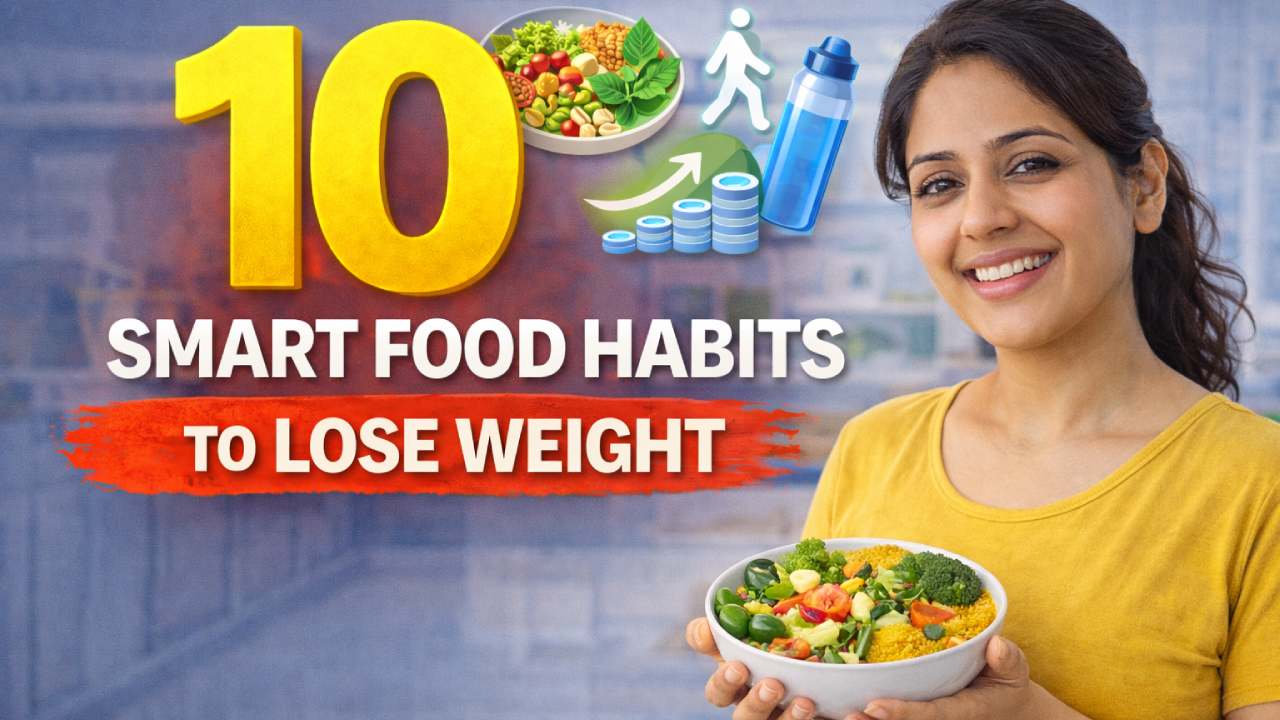
Healthy Eating Diet to Lose Weight: 10 Smart Food Habits for Safe & Lasting Results
Verified By
Mrs. Durga Tak
,
M.Sc, P.G. Diploma, Chief Dietitian, Kailash Hospital
| Published: 01-Feb-2026
Mrs. Durga Tak, Chief Dietitian at Kailash Hospital, Greater Noida, gestures at a plate model in her office. "Every day, I meet individuals exhausted by the cycle of fad diets and rapid weight regain. The truth is, the best diet for healthy weight loss isn't a restrictive, temporary 'diet' at all. It's a sustainable, nourishing healthy eating plan for weight loss that you can follow for life. It's about building habits, not just counting calories."
Sustainable weight loss is not about starvation or magic pills; it's about creating a consistent energy deficit while flooding your body with high-quality nutrition. This listicle, curated by Mrs. Durga Tak, outlines the ten foundational pillars for building a proper diet to lose weight that promotes health, energy, and lasting results.
Table of Content
Forget complicated calorie counts at every meal. The plate method is a simple, visual tool to ensure balance—a cornerstone of any healthy meal plan for weight loss.
- The Strategy: At each main meal, mentally divide your plate:
- ½ Plate Non-Starchy Vegetables: Spinach (palak), broccoli, peppers, tomatoes, cauliflower, green beans. These are high in volume, fiber, and nutrients but low in calories.
- ¼ Plate Lean Protein: Grilled chicken, fish, eggs, tofu, lentils (dal), or low-fat paneer. When you're trying to lose weight, protein can really help by making you feel satisfied and helping to maintain your muscle mass.
- ¼ Plate Whole Grains or Starchy Vegetables: Brown rice, quinoa, whole wheat chapati, oats, or sweet potato. These provide sustained energy.
- Expert Insight: "This method automates portion control and nutrient balance," explains Mrs. Tak. "It's the first tool I teach at Kailash Hospital, Greater Noida. It ensures you're eating more of the right foods (vegetables) to feel full, not less of everything, which is key for a healthy eating diet to lose weight."
Protein is the most satiating macronutrient. It reduces hunger hormones, increases fullness hormones, and has a high thermic effect, meaning your body burns more calories digesting it.
- The Strategy: Include a good source of protein in every meal and snack. Excellent Indian choices include: sprouts, chana, moong dal, rajma, lentils, fish, eggs, chicken breast, and Greek yogurt (dahi).
- Expert Insight: "Many people trying to lose weight eat a carb-heavy, protein-light diet, leading to constant hunger," says Mrs. Durga Tak. "Adequate protein is non-negotiable. It's the structural component of a healthiest diet for losing weight, protecting your metabolic engine—your muscles."
Also read: Rheumatoid Arthritis & Diet: The Best Foods to Eat and Avoid for Pain-Free Living
Fiber is a fantastic way to increase the bulk of your diet without piling on the calories. It slows digestion, stabilizes blood sugar, and keeps you feeling full for hours.
- The Strategy: Aim to fill half your plate with vegetables (as per the plate method). Start your meal with a salad or a bowl of clear vegetable soup. Choose whole fruits over juice.
- Expert Insight: "Fiber is nature's appetite regulator. Vegetables like lauki, tori, and leafy greens are your greatest allies. They allow you to eat large, satisfying volumes of food while staying within a calorie deficit, the core of a healthy diet plan for weight loss," notes Mrs. Tak.
Not all carbs are created equal. Refined carbs (white bread, maida, sugary foods) cause blood sugar spikes and crashes, leading to increased hunger.
- The Strategy: Swap refined grains for whole, fiber-rich sources. Choose whole wheat atta over maida, brown rice over white, and include jowar, bajra, and oats. These provide steady energy and keep you fuller longer.
- Expert Insight: "The goal is to avoid the 'blood sugar rollercoaster,' which drives cravings. Smart carbs are a fuel source, not the enemy, in a proper diet to lose weight," clarifies Mrs. Tak.
Including moderate amounts of healthy fat is crucial for hormone production, nutrient absorption, and satiety. The key is choosing the right types and controlling portions.
- The Strategy: Use moderate amounts of cooking oils like mustard oil or olive oil. Include a small handful of nuts (almonds, walnuts) or seeds (flax, pumpkin) as a snack. Avocado is another excellent source.
- Expert Insight: "Fat is calorie-dense, so portion control is vital. But eliminating it entirely leaves meals unsatisfying. A teaspoon of ghee on your dal or a few nuts can make your healthy eating plan for weight loss much more sustainable by adding flavor and fullness," advises Mrs. Tak.
Also read: Boost Your Digestive Health: High-Fiber Foods for Constipation Relief
Thirst is often mistaken for hunger. Drinking water before meals can promote fullness, and replacing sugary drinks with water or herbal teas cuts hundreds of empty calories.
- The Strategy: Drink a large glass of water 20-30 minutes before each meal. Carry a water bottle and sip throughout the day. Flavor water with mint (pudina), cucumber, or lemon.
- Expert Insight: *"I often find clients are barely drinking 4-5 glasses a day. Adequate hydration is essential for metabolism and appetite control. It's the simplest, zero-calorie pillar of a healthy meal plan for weight loss,"* states Mrs. Durga Tak.
Mindless eating in front of screens is a major cause of overconsumption. Mindful eating brings awareness to the process, helping you recognize true hunger and fullness cues.
- The Strategy: Eat at a table without distractions. Chew each bite thoroughly. Put your fork down between bites. Pause halfway through your meal to assess your fullness level.
- Expert Insight: "It takes about 20 minutes for your brain to register fullness. Eating quickly almost guarantees overeating. Slowing down is a powerful, free tool for a healthy eating diet to lose weight that costs nothing but attention," explains Mrs. Tak.
When you're hungry and unprepared, you'll grab whatever is convenient, usually an unhealthy option. Planning removes this decision fatigue.
- The Strategy: Dedicate time each week to plan meals and snacks. Prep ingredients in advance—chop vegetables, cook a pot of dal or quinoa. Have healthy snacks (like fruit, roasted chana) readily available.
- Expert Insight: "Failure to plan is planning to fail, especially with diet. At our consultations with a dietician in Greater Noida, we help clients create practical, weekly healthy meal plans for weight loss that fit their lifestyle, making the healthy choice the easy choice every day," says Mrs. Tak.
Restaurant and takeaway food is notoriously high in hidden calories, oil, salt, and sugar. Making your own meals gives you total control over the ingredients and portion sizes.
- The Strategy: Aim to cook at least 90% of your meals. Use healthier cooking methods: grilling, baking, steaming (dhokla), and sautéing with minimal oil instead of deep-frying.
- Expert Insight: "Home-cooked food is the single biggest factor you can control. You decide the quality of oil, the amount of salt, and the portion size. This autonomy is at the heart of a proper diet to lose weight," emphasizes Mrs. Tak.
Also read: Diet for Thyroid Patients: A Complete Indian Guide to Foods to Eat and Avoid
Absolute deprivation leads to cravings and eventual bingeing. A sustainable plan allows for flexibility, making it a lifestyle, not a punishment.
- The Strategy: Follow the 90/10 principle: 90% of the time, eat according to your nourishing plan. 10% of the time, mindfully enjoy a small portion of your favorite treat without guilt.
- Expert Insight: "A healthy eating plan for weight loss must be psychologically sustainable. Telling someone they can never have their favorite mithai again is a recipe for failure. Planned, portion-controlled indulgences prevent the feeling of restriction that derails so many," concludes Mrs. Durga Tak.
Crafting a personalized plan is where expertise matters. The Nutrition and Dietetics department at Kailash Hospital, Greater Noida, led by Mrs. Durga Tak, provides:
- Personalized Diet Counseling: Tailored plans based on your medical history, lifestyle, food preferences, and weight loss goals.
- Medical Nutrition Therapy: Managing weight in conjunction with conditions like diabetes, PCOS, or thyroid disorders.
- Habit-Building Support: Ongoing counseling to troubleshoot challenges and build lasting, healthy habits.
"The best diet for healthy weight loss is the one you don't feel you're on. It's the pattern of eating that fuels your body, satisfies your mind, and fits seamlessly into your life. If you're tired of quick fixes, let us help you build that foundation," says Mrs. Durga Tak, Chief Dietitian at Kailash Hospital, Greater Noida.
Ready to build a sustainable, healthy relationship with food? Schedule a consultation with our expert dietitians at Kailash Hospital, Greater Noida, and create your personalized roadmap to lasting weight loss and vitality.









 +91-9193939393
 international.marketing@kailashhealthcare.com