Meningitis in Children: Early Warning Signs, Causes, Testing, and Treatment Explained
Verified By
Dr. Anshul Dhillon
,
MBBS, DNB, FIPN (UK), Consultant Paediatric Neurologist, Kailash Hospital
| Published: 03-Jan-2026
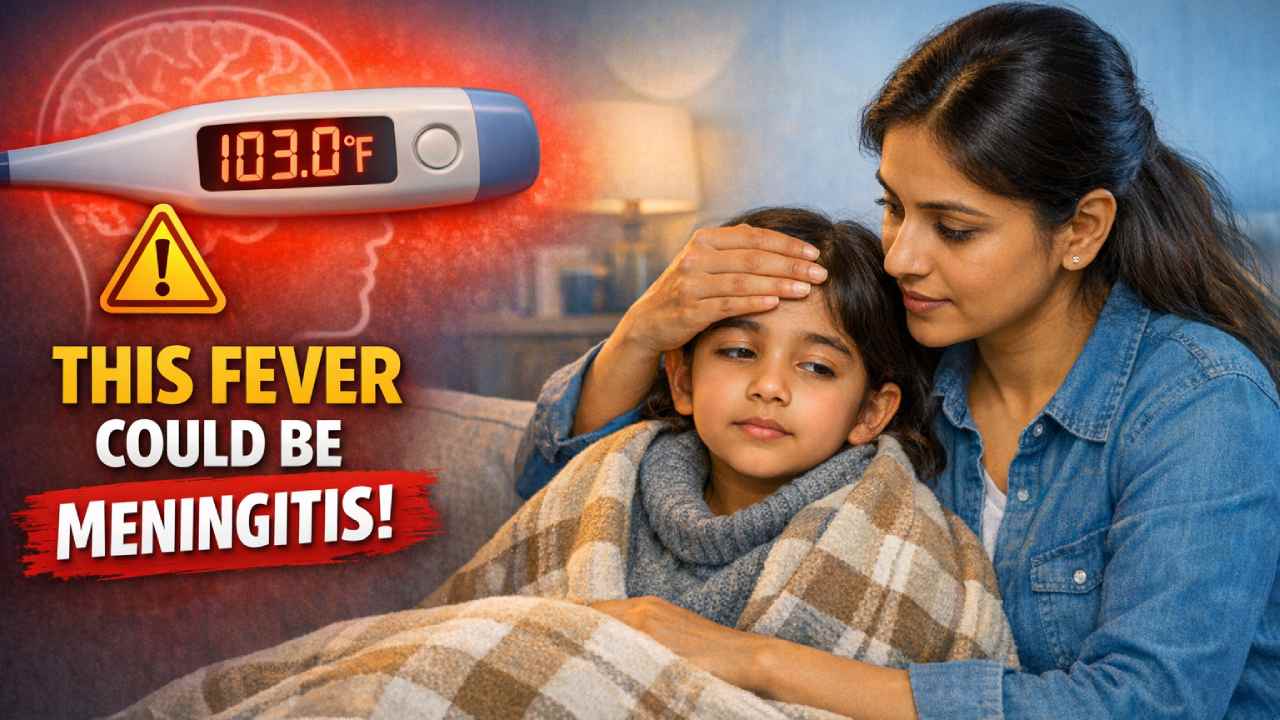
Dr. Anshul Dhillon, Consultant Paediatric Neurologist at Kailash Hospital, Noida, points to a brain scan with a look of grave concern. "Meningitis is one of the most feared diagnoses in paediatrics for a reason. It is an inflammation of the protective membranes covering the brain and spinal cord that can strike a healthy child with terrifying speed. Recognizing the early signs of meningitis in a child is not about medical knowledge—it's about parental instinct. That moment when you know your child is not just 'unwell with a fever' but is 'profoundly ill' is the moment to seek emergency care without a second's delay."
Meningitis in a child is a medical emergency. Its symptoms can initially mimic a common cold or flu, making early detection challenging but critical. A delay in diagnosis and treatment can lead to severe, lifelong complications, including hearing loss, brain damage, or even death. This guide, with the expert insights of Dr. Anshul Dhillon from Kailash Hospital, Noida, aims to empower parents with the knowledge to identify potential warning signs and understand the urgent path to treatment.
Table of Content
Meningitis is an inflammation of the meninges—the three thin layers of tissue that cover and protect the brain and spinal cord. When these layers become infected and swollen, they press against the brain itself. This pressure, combined with the infection and the body's inflammatory response, can rapidly damage delicate brain tissue and nerves.
"Think of the meninges as a vital security system for the brain," explains Dr. Dhillon. "Meningitis is like a fire breaking out within that security system. The fire itself (the infection) is dangerous, but the smoke and heat (the inflammation and swelling) cause catastrophic damage to the precious structure it's meant to protect. This is why time is of the essence."
Also read: Is Your Child Suffering from Diarrhea? Avoid These Common Parenting Mistakes
Understanding the cause is key to prevention and treatment. Meningitis in a child can be caused by viruses, bacteria, fungi, or parasites.
Viral Meningitis
- Frequency: This is the most common cause of meningitis in a child. It is often less severe than bacterial meningitis.
- Common Viruses: Enteroviruses (most common), mumps virus, herpes simplex virus.
- Outlook: Often resolves on its own with supportive care, but medical evaluation is essential to rule out bacterial causes.
Bacterial Meningitis
- Severity: This is a life-threatening emergency. It requires immediate, aggressive antibiotic treatment.
- Common Bacteria: Before widespread vaccination, Haemophilus influenzae type b (Hib), Streptococcus pneumoniae (pneumococcus), and Neisseria meningitidis (meningococcus) were leading causes. Thanks to vaccines, their incidence has dramatically dropped.
- Crucial Note: "The success story of modern paediatrics is the meningitis vaccine," states Dr. Dhillon. "Keeping your child's vaccinations up-to-date is the single most powerful shield against the deadliest forms of bacterial meningitis. It is non-negotiable preventive care."
The symptoms can progress rapidly, sometimes within hours. It is vital to look for a cluster of symptoms, not just one.
Early Symptoms (Can mimic the flu):
- High fever with cold hands and feet
- Severe headache
- Stiff neck (in older children; may be absent in infants)
- Nausea and vomiting
- Dislike of bright lights (photophobia)
- Sleepiness, confusion, or irritability
Later, More Specific Signs (Red Flags):
- A Rash That Doesn't Fade: This is a critical sign, especially for meningococcal meningitis. Press the side of a clear glass against the rash. If the rash does not fade under pressure, it may be a sign of blood poisoning (sepsis) and requires immediate emergency care.
- Stiff Neck and Arching Back: The child may find it painful to lower their chin to their chest. Babies may arch their backs.
- Bulging Fontanelle: In infants, the soft spot on the top of the head (fontanelle) may be tense or bulging.
- High-Pitched or Moaning Cry: A distinct, abnormal cry in an infant.
- Seizures: Convulsions or fits.
- Severe Drowsiness/Very Difficult to Wake: The child is lethargic and unresponsive.
A Critical Warning: There is no reliable way for how to test for meningitis in a child at home. The 'glass test' for a non-blanching rash is the only potential indicator, and even that is a sign of advanced sepsis. Waiting to see if a rash appears can be fatal. If your gut tells you your child is seriously unwell—especially with a high fever, severe lethargy, and irritability—go to the hospital immediately. Do not wait for a rash. - Dr. Anshul Dhillon
Also read: Why Kids Today Have More Anxiety Than Ever Before
While this article focuses on children, it's helpful for parents to know that early stage meningitis symptoms in adults are similar: sudden high fever, severe headache, stiff neck, nausea, confusion, and sensitivity to light. The key difference is that older children and adults can verbalize a "worst headache of my life" or neck stiffness. Infants and young children cannot, so parents must be hyper-vigilant for behavioral and physical changes like extreme irritability, refusal to feed, and a bulging fontanelle.
If meningitis is suspected, the child will be admitted immediately to the best hospital in Noida with paediatric emergency facilities, such as Kailash Hospital, Noida.
Diagnosis:
- Lumbar Puncture (Spinal Tap): This is the definitive diagnostic test. A small amount of cerebrospinal fluid (CSF) is collected from the lower back and analysed for signs of infection and inflammation.
- Blood Tests: To check for signs of infection and identify the causative organism.
- Imaging: A CT scan may be done first to ensure it's safe to perform a lumbar puncture.
Treatment for Meningitis in a Child:
- Bacterial Meningitis: Treated as a supreme emergency with intravenous antibiotics started immediately, often even before test results are confirmed. Treatment is given in a hospital's paediatric intensive care unit (PICU) and may last for weeks. Supportive care for fever, brain swelling, and seizures is also critical.
- Viral Meningitis: Since antibiotics don't work on viruses, treatment focuses on supportive care: fluids, pain relief, and management of symptoms while the body fights the infection. Hospitalization may still be required.
"The treatment for meningitis in a child is a race against the clock," emphasizes Dr. Dhillon. "Every hour of delay in administering antibiotics for bacterial meningitis increases the risk of poor outcomes. In our PICU at Kailash Hospital, we have protocols to move from suspicion to treatment in the shortest possible time, because we know what is at stake."
After the acute infection is controlled, the journey may not be over. This is where a Paediatric Neurologist in Noida like Dr. Anshul Dhillon plays a vital role.
- Managing Complications: Addressing seizures, muscle weakness, or cranial nerve damage caused by the infection.
- Long-Term Follow-Up: Monitoring for delayed complications such as hearing loss (common), learning disabilities, behavioural issues, or motor impairments.
- Rehabilitation: Coordinating with physiotherapists, occupational therapists, and speech therapists to help the child recover lost functions.
Also read: Is Your Teen Still Wetting the Bed? Learn What You Can Do Today!
Meningitis in a child is a parent's worst nightmare, but knowledge and swift action are your most powerful allies. The symptoms can be subtle at first, but they escalate quickly.
As Dr. Anshul Dhillon of Kailash Hospital, Noida concludes, "In paediatrics, we have a saying: 'It's meningitis until proven otherwise' when a child presents with a certain set of symptoms. As a parent, your role is not to diagnose, but to recognize when your child is dangerously sick. If your child has a fever with extreme lethargy, irritability you cannot soothe, or any of the red flags mentioned, do not watch and wait. Rush to the emergency department. In the battle against meningitis, your timely action is the first and most critical dose of medicine."





 +91-9193939393
 international.marketing@kailashhealthcare.com