Endometriosis and IVF: What Every Woman Needs to Know Before Trying to Conceive
Verified By
Dr. Monika Gupta
,
MBBS & MS (Obstetrics and Gynecology) Fellowship in IVF and Reproduction, Center Head - IVF, Kailash Hospital
| Published: 28-Feb-2026
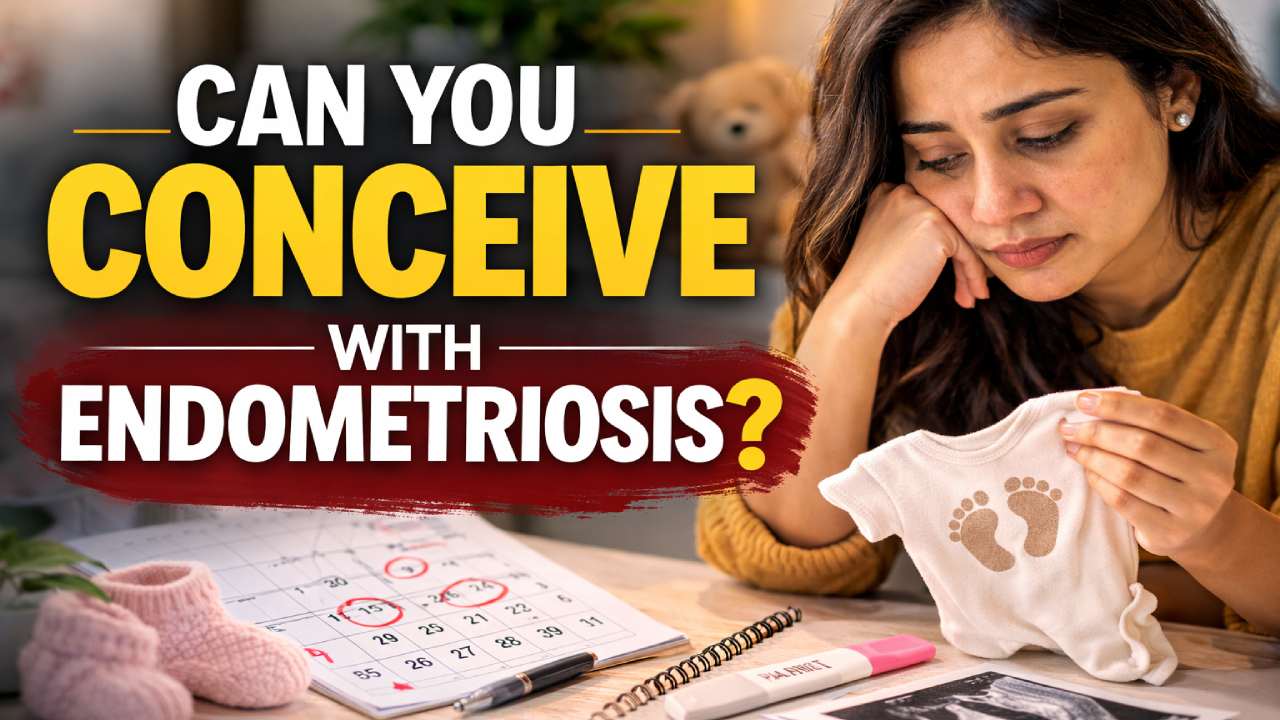
Endometriosis is a common problem that most women encounter during their reproductive years. However, it is a problem that is not well understood. If you have always dreamed of having a family of your own, dealing with the challenges that come with endometriosis can be daunting, especially if you are having trouble getting pregnant.
The best news is that learning about endometriosis, its effect on fertility, and how it can be treated with IVF is the beginning of taking your life into your own hands.
Table of Content
Endometriosis occurs when tissue like the lining of your uterus (the endometrium) grows where it shouldn't—often on the ovaries, fallopian tubes, or pelvic walls. Unlike the normal uterine lining that sheds monthly during periods, this rogue tissue has no escape, building inflammation and scar tissue over time. The fallout is painful, lingering periods, irregular bleeding, and problems with fertility.
Some of the most common signs women may experience and recognize include:
- Very painful periods
- Pain during intercourse
- Constant pelvic discomfort
- Gastrointestinal problems during menstruation
- Constant fatigue
- Unable to get pregnant
Due to the similarity in signs and symptoms, endometriosis is often overlooked and diagnosed very late. Many women are unaware that “severe period pain and fatigue are not something they have to live with.”
Also read: A Ray of Hope: Understanding IVF with Dr. Monika, IVF Specialist at Kailash IVF
Endometriosis may hinder a couple from conceiving naturally. It has been found that 30-50% of women suffering from endometriosis may face problems in conceiving.
The following are the factors through which endometriosis may affect fertility:
1. Distorted Anatomy and Scar Tissue
Endometriosis may cause the development of scar tissues in the pelvic area. These scar tissues may interfere with the fallopian tubes or ovaries, thereby affecting fertility.
2. Inflammation Can Affect Reproductive Function
The inflammation caused due to endometriosis may interfere with ovulation, fertilization, and implantation of the embryo. It may also cause problems in the quality of the eggs and the receptiveness of the uterus.
3. Lower Egg Quality and Ovarian Reserve
Women suffering from endometriosis may have a lower number of eggs available in their ovaries. These eggs may not be of good quality either.
It is because of these factors that women suffering from endometriosis may opt for IVF.
IVF (In Vitro Fertilization) is recommended in the following situation when IVF bypasses some of the challenges that endometriosis presents. This gives most women an opportunity to conceive.
IVF may be recommended if:
- There is moderate to severe endometriosis affecting reproductive organs
- Fallopian tubes are blocked or damaged
- Other fertility treatments like IUI haven’t worked
- Egg quality or ovarian reserve is low
- Maternal age is advanced
Myth Buster: Another myth that is commonly associated with endometriosis and IVF is that it will make the endometriosis symptoms worse. However, it is for sure that the hormone injection will not cause the endometriosis symptoms to get worse. Instead, the symptoms will get better.
Also read: Top 5 Causes of Male Infertility and How to Manage Them
The success of an IVF procedure may depend on various factors. These factors include the patient’s age, the extent of their endometriosis condition, the quality of their eggs, and their ovarian reserve. There are also studies that imply that the fertilization and implantation rates of patients who have endometriosis may be slightly low. However, many of them still manage to conceive successfully.
Here’s what to keep in mind:
- With advanced technology and individualized care plans, the chances of success are high
- Age, health status, and reproductive history play an important role
- With IVF, many women have successfully carried their babies to term after one or more rounds of treatment.
Every woman’s fertility journey is unique. Consulting with an IVF specialist helps create a plan tailored to your specific needs.
- Comprehensive Evaluation: Before starting IVF, we perform a thorough assessment including:
- Hormone profile tests
- Ovarian reserve assessment (AMH levels)
- Ultrasound imaging
- Semen analysis for your partner
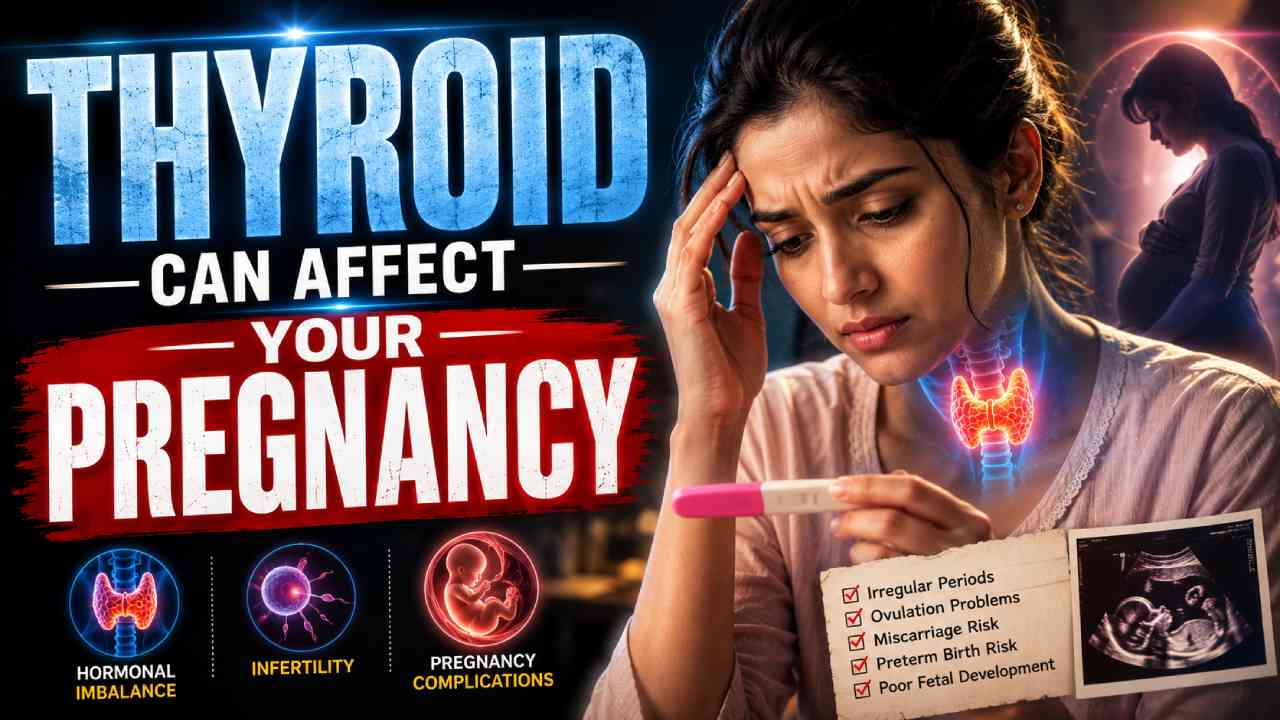
- Address Other Health Factors: Treating issues such as thyroid imbalances, vitamin deficiencies, or pelvic adhesions can improve IVF outcomes. A holistic approach to health enhances your chances of success.
- Emotional Support: IVF and endometriosis can be emotionally challenging. Counselling, support groups, and encouragement from loved ones can help you stay positive and focused.
Also read: Infertility in Men and Women: Common Causes and Risk Factors in India
At Kailash IVF, we understand the physical and emotional challenges women face with endometriosis and fertility issues. Our approach includes:
- Patient-centered care: Individualised IVF protocols for every woman
- Advanced diagnostics: Cutting-edge tests to evaluate ovarian reserve and reproductive health
- Experienced team: Skilled reproductive endocrinologists and support staff
- Comprehensive support: Lab testing, counselling, and follow-up care
We believe every woman deserves an informed and empowering fertility journey — and we are here to guide you at every step.
It is true that endometriosis may hinder conception, but it does not mean that a woman cannot become a mother. With the right evaluation, individualised IVF treatment, and expert guidance, a woman with endometriosis can certainly conceive and carry a healthy baby.
If you are having trouble conceiving and think that endometriosis might be a problem, don’t wait any longer. Consult a fertility expert today and chart a course to motherhood that is well-informed, individualised, and possible.






 +91-9193939393
 international.marketing@kailashhealthcare.com