Why Heart Attacks Spike in Winter and How to Stay Safe?
Why Heart Attacks Spike in Winter and How to Stay Safe?
Verified By
Dr. Amit Handa
,
MD, DM, Consultant, Kailash Hospital
| Published: 20-Dec-2025
Winter brings a festive vibe, cozy mornings, and chilly evenings—but it also brings hidden risks to your heart. According to Dr. Amit Handa, Consultant Cardiologist at Kailash Hospital, Sec-71, Noida, winter is a season when heart attack cases tend to rise significantly. Understanding the causes, risk factors, and preventive strategies can help you stay safe and protect your heart during the cold months.
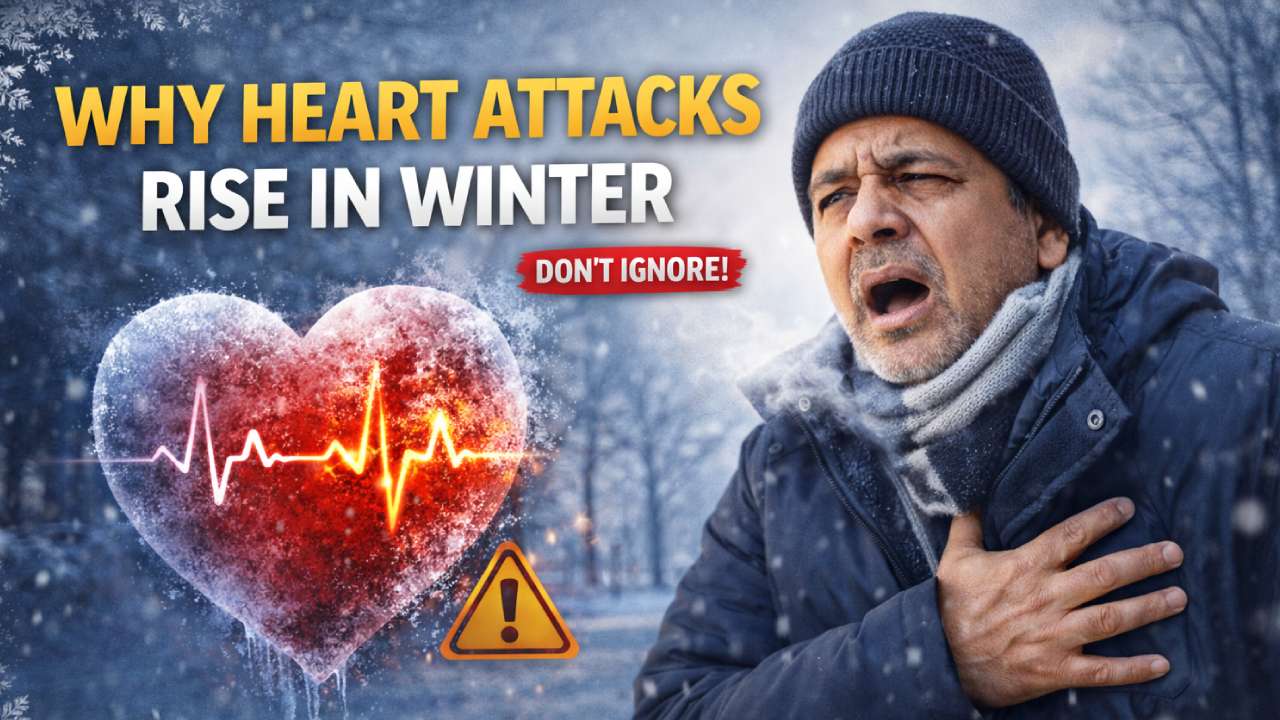
Dr. Amit Handa says, ‘Heart attack cases increase by nearly 14% in winter compared to summer, while cardiac arrest cases rise by around 5%.’ Low temperature causes blood vessels to narrow and blood pressure to rise, placing extra stress on the heart and increasing the risk of heart attacks and heart failure.
During winter, a combination of environmental conditions and lifestyle changes can significantly increase the risk of heart attacks.
Rise in Blood Pressure: Cold temperatures cause blood vessels to constrict, making it harder for blood to flow. This raises blood pressure and puts extra strain on the heart, triggering heart attacks and heart failure.
Increased Blood Clotting: Winter conditions can make blood thicker and more prone to clotting. This increases the risk of blockages in blood vessels, which can lead to heart attacks and strokes.
High-Salt and Processed Food Intake: Winter diets often include salty and processed foods. Excess salt can elevate blood pressure, while processed foods contribute to cholesterol buildup—both of which strain the heart.
Smoking and Alcohol Consumption: People often smoke more or consume alcohol to cope with cold weather. Both habits can narrow blood vessels, raise blood pressure, and reduce oxygen supply to the heart, further increasing cardiac risk.
Reduced Physical Activity: Cold weather discourages regular exercise and outdoor movement. A sedentary lifestyle can lead to weight gain, poor circulation, and worsening heart health.
Skipping Medications: During winter, people may miss or delay prescribed medications due to travel disruptions, illness, or lack of routine. Skipping heart or blood pressure medicines can sharply increase the risk of cardiac events.
According to Dr. Amit Handa, nearly 80–90% of heart attack cases are preventable. By recognizing winter-specific triggers and adopting simple heart-healthy habits, the risk of heart attacks during the colder months can be significantly reduced.
Maintain Your Body Temperature: Cold weather causes blood vessels to constrict, increasing blood pressure and strain on the heart. Dressing in warm layers helps reduce unnecessary stress on the heart.
Follow a Heart-Healthy Diet: Choose balanced meals rich in fruits, vegetables, whole grains, and healthy fats. Limiting salt, sugar, and unhealthy fats supports better blood pressure and cholesterol control during winter.
Maintain Physical Activity: Cold weather often reduces movement, but staying active is essential. Light indoor exercises, stretching, or short walks help maintain circulation and support heart health.
Avoid Smoking & Alcohol: Smoking and excessive alcohol consumption can raise blood pressure and disrupt heart rhythm. During winter, these effects increase strain on the heart and raise the risk of heart attacks. Avoiding smoking and alcohol consumption helps protect heart health and improves overall circulation.
Stay Hydrated: Cold weather often reduces the feeling of thirst, leading to dehydration. Low fluid intake can thicken the blood, increasing the risk of clot formation and putting extra stress on the heart. Drinking adequate water throughout the day helps maintain healthy blood flow and supports proper heart function.
Manage Stress: Winter routines, reduced daylight, and lifestyle changes can increase stress levels. Practicing relaxation techniques, maintaining a routine, and getting adequate sleep help protect heart health.
Never Skip Medications: Continue prescribed heart, blood pressure, and diabetes medications without interruption. Skipping doses can increase the risk of sudden cardiac events, especially in cold weather.
Regularly Monitor Your Health: Monitor your blood pressure, blood sugar, and cholesterol levels regularly. Regular monitoring helps detect early warning signs and allows timely medical intervention.
Dr. Amit Handa says, ‘Winter may increase the risk of heart attacks, but by following these steps, most heart attacks in winter—up to 80–90%—can be prevented.’
Prompt medical attention is crucial during acute cardiac events—especially in winter, when heart attack risks are higher. Detecting issues early and seeking prompt care can save lives.
Dr. Amit Handa says, ‘If you experience chest pain or shortness of breath, pain spreading to the arms, neck or jaw, dizziness, nausea, or unusual fatigue, it is important not to ignore these symptoms. In such cases, timely evaluation can help identify blocked arteries and prevent serious complications.’
Heart attacks are medical emergencies, every minute matters. Recognizing early warning signs and seeking prompt treatment can significantly reduce damage to the heart and save lives. This winter, stay alert, listen to your body, and act quickly—early intervention can make all the difference.
Verified by :
Dr. Amit Handa
Consultant Cardiologist at Kailash Hospital & Neuro Institute, brings 9 years of expertise in cardiology. With qualifications including MD and DM, he specializes in Coronary Angiography and Angioplasty, Radial Artery Interventions, Primary Angioplasty, and Peripheral Angioplasty. Dr. Handa is skilled in Pacemaker, ICD, and CRT implantations, Balloon Valvotomies, and Adult ASD/VSD/PDA device closures, delivering comprehensive cardiac care with a focus on advanced interventional procedures.
Over the years, Kailash has established itself as a leader in the multi-specialty facility in hospital industry and has grown to be a popular choice for patients from around the globe seeking medical care. Our international patient care department delivers seamless services that are customized to meet patient's medical needs.
We offer high-quality treatments at affordable prices compared to Western countries. For cost estimation please contact our International Patient Representative at +91 9193939393
Yes, we do assist international patients on travelling from the airport to the hospital. . Based on the patient's preference, we either give an air-conditioned car or an ambulance.
Our international patient representative will assist you with each of your requirements. Our services include facilities like assistance in visa extension, money exchange, accommodation booking in nearby hotels or guest houses, local SIM cards, and FRRO registration with the Local Authority.
Yes, follow-up consultations are an integral part of our patient care. The medical team at Kailash Hospital schedules follow-up appointments as needed.
Kindly take a medical opinion prior to your travel & appointment with our Doctor








 +91-9193939393
 international.marketing@kailashhealthcare.com